Coral Reef Marine Habitat, Tropical Ocean Waters

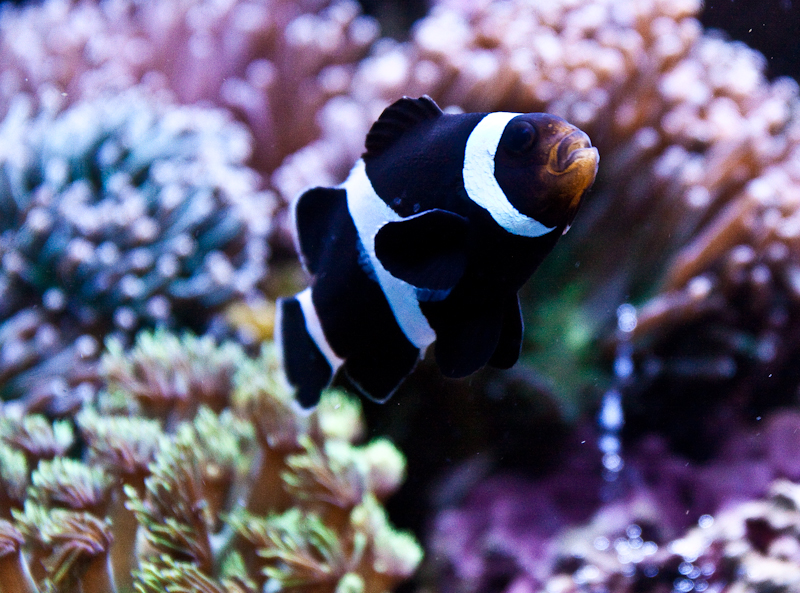
Coral reefs represent some of the most biodiverse and visually spectacular ecosystems on Earth, thriving in warm tropical and subtropical ocean waters. These underwater gardens are home to countless species, from the iconic black clownfish with their distinctive white stripes to thousands of other fish, invertebrates, and coral species that create a living kaleidoscope of color and movement. Coral reefs are not just beautiful destinations for snorkeling and diving—they are vital ecosystems that support marine life and protect coastal communities.
The delicate balance of a coral reef ecosystem showcases nature’s intricate relationships, where fish like clownfish find shelter among anemones in a mutually beneficial partnership. The vibrant colors, graceful movements, and fascinating behaviors of reef inhabitants make these underwater realms destinations of wonder and scientific importance.
Whether you’re an experienced diver, casual snorkeler, or simply an ocean enthusiast, coral reefs offer unforgettable encounters with marine life in their natural habitat. The crystalline waters, abundant sunlight filtering through the surface, and the symphony of reef sounds create an immersive sensory experience.
Highlights
- Encounter exotic fish species like black clownfish in their natural habitat among anemones
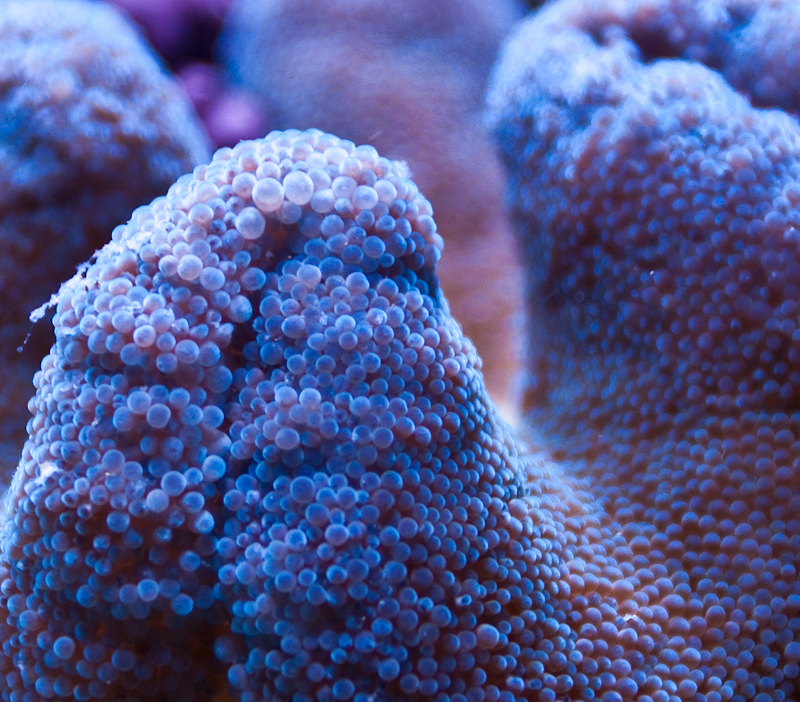
- Witness the architectural complexity and stunning biodiversity of living coral formations
- Experience world-class diving and snorkeling in crystal-clear tropical waters
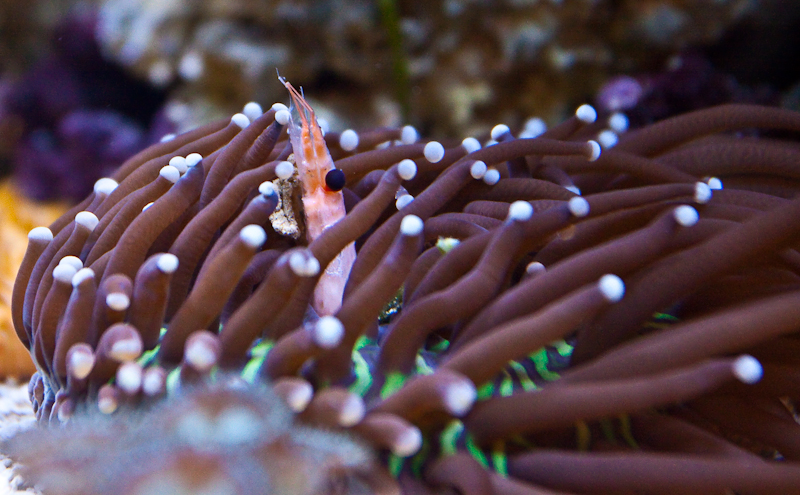
- Observe fascinating symbiotic relationships between fish and marine invertebrates
What to Do
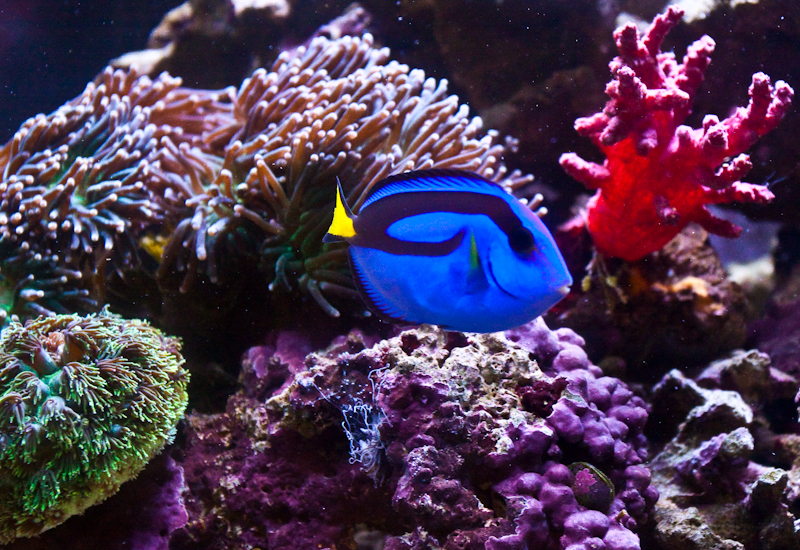
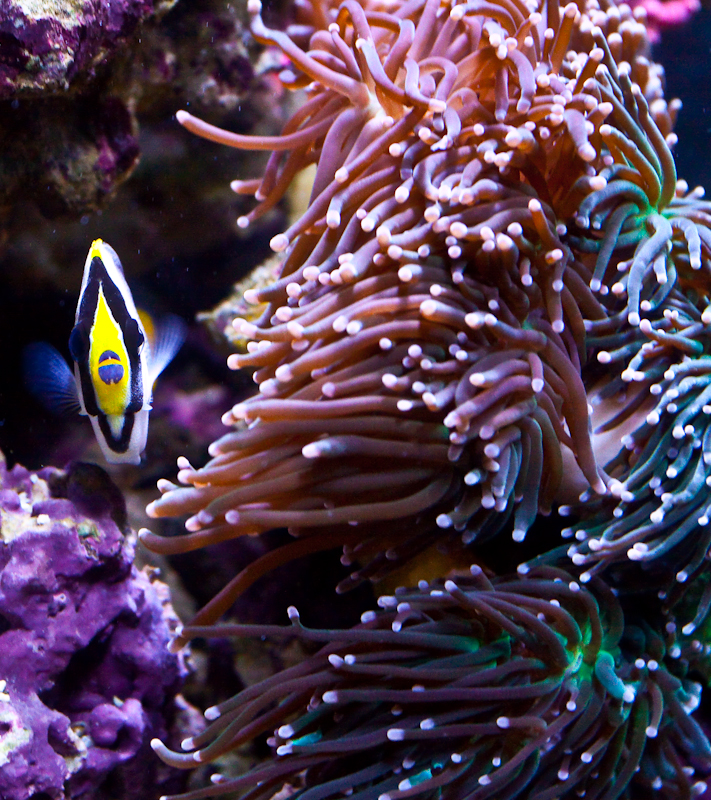
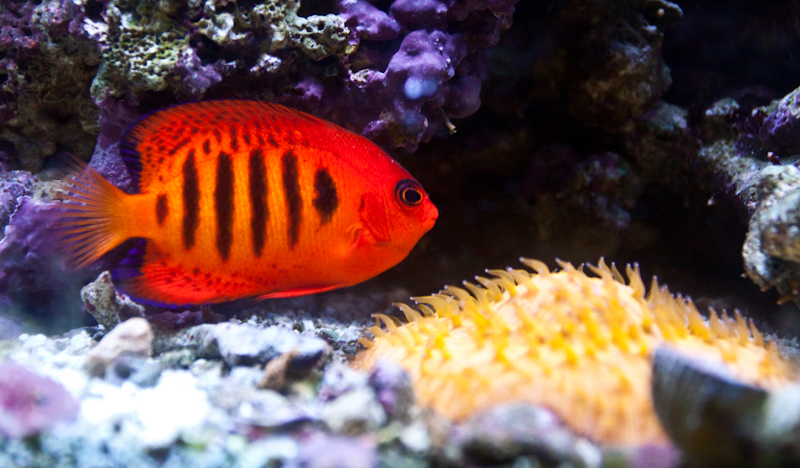
- Snorkel or scuba dive to observe clownfish, angelfish, parrotfish, and hundreds of other species
- Photograph marine life and coral formations in their vibrant natural colors
- Take guided reef tours to learn about conservation and ecosystem dynamics
- Participate in citizen science projects monitoring reef health
- Relax on nearby tropical beaches between water activities
Best Time to Visit
Year-round in most tropical locations, but typically May to October offers the best visibility and weather conditions in many reef destinations
Getting There
Access varies by reef location; popular destinations include the Great Barrier Reef (Australia), Caribbean reefs (US Virgin Islands, Belize), Red Sea (Egypt), and Indo-Pacific reefs (Indonesia, Philippines). Most require air travel to coastal towns followed by boat access.
Visitor Tips
- Use reef-safe sunscreen to protect coral ecosystems from harmful chemicals
- Maintain proper buoyancy control while diving to avoid damaging corals
- Never touch, stand on, or collect coral or shells
- Book with certified dive operators who follow sustainable practices
- Consider visiting during shoulder seasons for fewer crowds and better conservation
Nearby
- Tropical beach resorts and island accommodations
- Marine research centers and aquariums
- Water sports facilities for additional ocean activities
- Local fishing villages and coastal communities
Coral reefs are irreplaceable natural wonders that remind us of the ocean’s incredible beauty and fragility. A visit to a healthy coral reef ecosystem is not just a vacation—it’s an opportunity to witness the intricate dance of marine life, appreciate the artistry of nature, and become an advocate for ocean conservation. Whether you’re seeking adventure, tranquility, or scientific fascination, the underwater world of coral reefs awaits with unforgettable memories and a deeper connection to our blue planet.
Location Map
Coral Reef Marine Habitat, Tropical Ocean Waters Read More »