architecture

European Street Shopping District with Orange and Terracotta Architecture

European Street Shopping District with Orange and Terracotta Architecture
A charming pedestrian shopping street lined with warm-toned historic architecture and modern retail storefronts.

This picturesque European street captures the essence of continental charm with its distinctive warm orange and terracotta-colored building facades. The cobblestone pedestrian pathway creates an inviting atmosphere for leisurely strolls and shopping. The blend of historic architecture with contemporary shop windows reflects the character of many well-preserved European city centers that balance tradition with modern commerce.

Highlights

  • Distinctive orange and white striped architectural elements creating visual rhythm
  • Well-maintained cobblestone pedestrian walkway
  • Mix of traditional and contemporary retail storefronts
  • Elegant street-level window displays

What to Do

  • Browse independent boutiques and shops along the street
  • Photograph the striking architectural details and color schemes
  • Enjoy a leisurely walk through the pedestrian-only district
  • Stop at nearby cafes or restaurants for refreshment

Best Time to Visit

Spring through fall for pleasant weather and vibrant street activity

Getting There

Accessible via public transportation to the city center; located in a pedestrian shopping zone

Visitor Tips

  • Wear comfortable shoes for exploring the cobblestone streets
  • Visit during daytime for best shopping and photography
  • Peak shopping hours are typically late morning and early evening

Nearby

  • City center attractions
  • Historic district landmarks
  • Local dining establishments

This charming European street destination offers visitors an authentic experience of continental shopping culture combined with architectural beauty and pedestrian-friendly design perfect for memorable urban exploration.

Location Map

European Street Shopping District with Orange and Terracotta Architecture Read More »

Bella Porta Historic Wooden Door, Italy

Bella Porta Historic Wooden Door, Italy
A stunning arched wooden door framed by lush ivy vines, capturing the timeless charm of European heritage architecture.

This captivating image showcases ‘Bella Porta,’ a beautifully preserved wooden door that exemplifies classic European architectural elegance. The rich golden-brown wooden double doors are nestled within a graceful stone archway, surrounded by cascading ivy that adds layers of natural beauty and historical character. The cobblestone courtyard beneath speaks of centuries of passage and stories, while the weathered stonework hints at the age and authenticity of this remarkable entrance.

This type of door is emblematic of historic European towns, particularly in Italy, where such architectural details serve as gateways to centuries-old buildings. The photograph, attributed to John M Totten for the American Gallery Collection, captures the essence of Old World charm that draws travelers and architecture enthusiasts from around the globe.

Bella Porta represents more than just an entrance; it’s a portal to history, culture, and the romantic aesthetic that defines European travel experiences.

Highlights

  • Beautifully preserved arched wooden door with authentic patina
  • Lush ivy framing creating a romantic, timeless atmosphere
  • Traditional cobblestone courtyard flooring
  • Historic stone archway showcasing classical architecture
  • Perfect subject for photography and architectural study

What to Do

  • Photograph the door from different angles to capture its architectural details and ivy framing
  • Explore the surrounding historic town district to discover similar doors and buildings
  • Visit local museums and cultural centers to learn about regional architectural history
  • Enjoy traditional restaurants and cafes housed in similarly historic buildings
  • Sketch or paint the door as an artistic study of European architecture

Best Time to Visit

Late spring through early autumn (May-September) when the ivy is lush and green, and the weather is ideal for exploring historic town centers on foot

Getting There

This represents typical architecture found throughout Italy’s historic town centers, particularly in Tuscany, Umbria, and other regions. Access via major Italian cities with connections to charming old towns by train or car rental

Visitor Tips

  • Visit early morning or late afternoon for optimal photography lighting
  • Respect private property; many historic doors are entrances to private residences or businesses
  • Wear comfortable walking shoes for exploring cobblestone streets
  • Learn basic Italian phrases to engage with locals about architectural history
  • Bring a quality camera or smartphone to capture architectural details

Nearby

  • Historic town piazzas and public squares with similar architecture
  • Local churches and religious buildings featuring classical European design
  • Wine estates and farmhouses in surrounding countryside
  • Regional museums showcasing architectural artifacts and historical artifacts
  • Traditional trattorias and restaurants in adjacent historic buildings

Bella Porta stands as a testament to the enduring beauty of European architectural heritage. Whether you’re an architecture enthusiast, a photographer seeking inspiration, or simply a traveler drawn to historic charm, doors like this invite you to step into centuries of history and culture. Plan your visit to Italy’s historic towns and discover the countless stories written in stone, wood, and ivy—each door opening a new chapter in your European adventure.

Location Map

Bella Porta Historic Wooden Door, Italy Read More »

Palace Courtyard, Historic European Palace

Palace Courtyard, Historic European Palace
A stunning aristocratic courtyard where dramatic storm clouds frame golden Renaissance architecture in timeless grandeur.

This magnificent palace courtyard exemplifies European classical architecture at its finest, with elegant golden-hued stonework arranged in a harmonious rectangular design. The ornate street lamps and manicured roofline speak to centuries of refined aristocratic heritage. Captured under moody, theatrical storm clouds, the courtyard transforms into a dramatic stage where history seems to whisper through every architectural detail and shadow.

Highlights

  • Ornate triple-lamp street lights with decorative metalwork typical of 17th-18th century design
  • Symmetrical courtyard surrounded by multi-story palace wings with mansard roofs
  • Golden-beige stonework and evenly-spaced arched windows creating classical harmony
  • Dramatic storm lighting that showcases the architectural details in theatrical relief

What to Do

  • Explore the courtyard at different times of day to capture varying light and weather conditions
  • Study the architectural details and craftsmanship of the palace’s facade and ornamentation
  • Walk the perimeter to appreciate the symmetry and historical design elements
  • Photograph the interplay of light and shadow across the golden stones

Best Time to Visit

Spring or autumn when dramatic weather patterns create dynamic skies; overcast days enhance the moody atmosphere

Getting There

Access via main palace entrance; typically located in major European cities with public transportation nearby

Visitor Tips

  • Visit during off-peak hours for solitude and better photography opportunities
  • Bring weather-appropriate clothing as courtyards can be exposed to the elements
  • Best photography occurs during golden hour or dramatic weather conditions
  • Check palace visiting hours and any access restrictions before visiting

Nearby

  • Palace interior rooms and galleries
  • Surrounding historic city district and neighborhoods
  • Adjacent parks and formal gardens
  • Local museums and cultural institutions

Step into this aristocratic courtyard and let the dramatic interplay of classical architecture and turbulent skies transport you to centuries past. Whether you seek historical inspiration, architectural appreciation, or simply a moment beneath moody European clouds, this palace courtyard delivers an unforgettable experience that bridges art, history, and nature in perfect harmony.

Location Map

Palace Courtyard, Historic European Palace Read More »

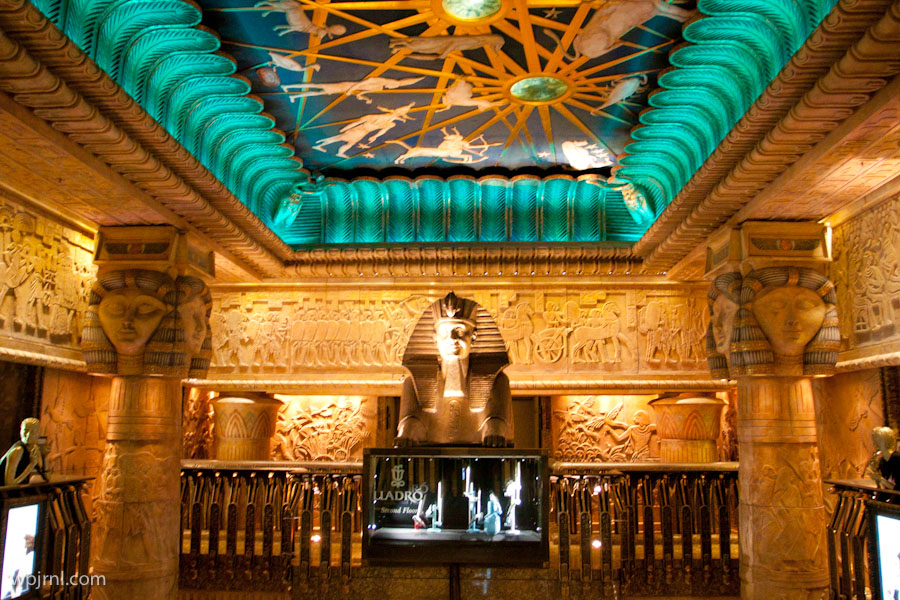
Harrods Egyptian Hall, Luxury Department Store London England

Harrods Egyptian Hall, Luxury Department Store London England
Step into an opulent Ancient Egyptian-inspired interior at one of the world’s most prestigious luxury department stores.

Harrods’ Egyptian Hall is a stunning example of themed luxury retail architecture, featuring an elaborate recreation of Ancient Egyptian design elements. The space showcases intricate hieroglyphic carvings, towering pharaoh statues, and an ornate turquoise and gold ceiling adorned with zodiac symbols and celestial imagery. This iconic section of Harrods transports visitors to the grandeur of ancient civilizations while maintaining the sophistication and elegance that defines the legendary London institution.

Located in the heart of Knightsbridge, this architectural marvel reflects Harrods’ commitment to creating immersive shopping experiences that transcend typical retail environments. The meticulous attention to detail in the carved stone walls, Egyptian columns with lotus capitals, and theatrical lighting creates an atmosphere of timeless elegance and mystery.

Highlights

  • Ornate turquoise and gold coffered ceiling with pharaoh and zodiac motifs
  • Floor-to-ceiling hieroglyphic wall carvings and Egyptian iconography
  • Monumental pharaoh busts flanking the central display areas
  • Dramatic theatrical lighting that illuminates ancient Egyptian artistic details
  • Intricate stone work and architectural columns with authentic Egyptian styling

What to Do

  • Explore the Egyptian Hall’s architectural details and photography opportunities
  • Browse luxury goods displayed within the themed environment
  • Admire the craftsmanship of the carved stone walls and decorative elements
  • Visit other themed halls throughout Harrods for more immersive experiences
  • Enjoy the theatrical atmosphere while shopping at this iconic London landmark

Best Time to Visit

Year-round, though visiting during less busy weekday mornings allows for better appreciation of the architectural details and photography without crowds

Getting There

Located on Brompton Road in Knightsbridge, London. Accessible via the London Underground (Knightsbridge Station on the Piccadilly Line), buses, or taxi services

Visitor Tips

  • Arrive early in the day to avoid crowds and photograph the ceiling details clearly
  • Look up frequently to fully appreciate the ceiling’s astronomical and hieroglyphic designs
  • The store has a strict dress code; dress smartly to match the luxury environment
  • Allow extra time to explore the intricate carvings and Egyptian-themed decorations
  • Photography is permitted but be respectful of other shoppers

Nearby

  • Victoria and Albert Museum
  • Natural History Museum
  • Royal Albert Hall
  • Knightsbridge luxury shops and restaurants
  • Hyde Park

The Egyptian Hall at Harrods represents a pinnacle of theatrical retail design, where shopping transcends commerce and becomes an immersive cultural experience. Whether you’re a history enthusiast, architecture lover, or luxury shopper, this ornate space offers an unforgettable journey through ancient aesthetics set within the heart of modern London. Visit Harrods to witness how timeless design inspiration continues to captivate and inspire visitors from around the world.

Location Map

Harrods Egyptian Hall, Luxury Department Store London England Read More »

Modern Skyscraper District, Urban Downtown

Modern Skyscraper District, Urban Downtown
A breathtaking upward perspective of contemporary architecture piercing the clouds.

This striking photograph captures the essence of modern urban architecture, showcasing towering glass and steel skyscrapers viewed from ground level looking skyward. The composition creates a dizzying sense of scale and ambition, with buildings converging toward a brilliant blue sky dotted with white clouds. The interplay of reflective glass surfaces, geometric lines, and natural light demonstrates the sophisticated design of contemporary metropolitan centers. These architectural marvels represent the pinnacle of engineering and design, creating iconic skylines that define major cities worldwide.

Highlights

  • Stunning upward-looking perspective showcasing architectural scale and grandeur
  • Modern glass and steel construction reflecting natural light and sky
  • Geometric patterns created by building facades and window arrangements
  • Dramatic interplay between human-made structures and natural sky elements

What to Do

  • Explore the ground-level plazas and public spaces between skyscrapers
  • Visit observation decks in tall buildings for panoramic city views
  • Photograph the architecture from different angles and perspectives
  • Discover restaurants, cafes, and shops in the commercial district

Best Time to Visit

Clear, sunny days offer the best photography opportunities and visibility of the architectural details and sky

Getting There

Most downtown business districts are accessible via public transportation, including metro, bus, or walking from transit hubs

Visitor Tips

  • Visit during golden hour for dramatic lighting on glass facades
  • Look up—these areas reveal their true scale and beauty from ground level
  • Many corporate plazas are accessible to the public during business hours
  • Bring a camera or smartphone to capture the impressive vertical architecture

Nearby

  • Financial district offices and corporate headquarters
  • Urban parks and public gathering spaces
  • Fine dining restaurants and upscale shopping
  • Cultural institutions and museums

Standing beneath these towering structures and gazing upward offers a humbling reminder of human achievement and innovation. Modern downtown districts like this represent the vitality and ambition of contemporary cities, blending cutting-edge architecture with urban energy. Whether you’re a photography enthusiast, architecture lover, or simply curious about modern city design, experiencing these skylines firsthand is an unforgettable journey into the heart of urban progress.

Location Map

Modern Skyscraper District, Urban Downtown Read More »

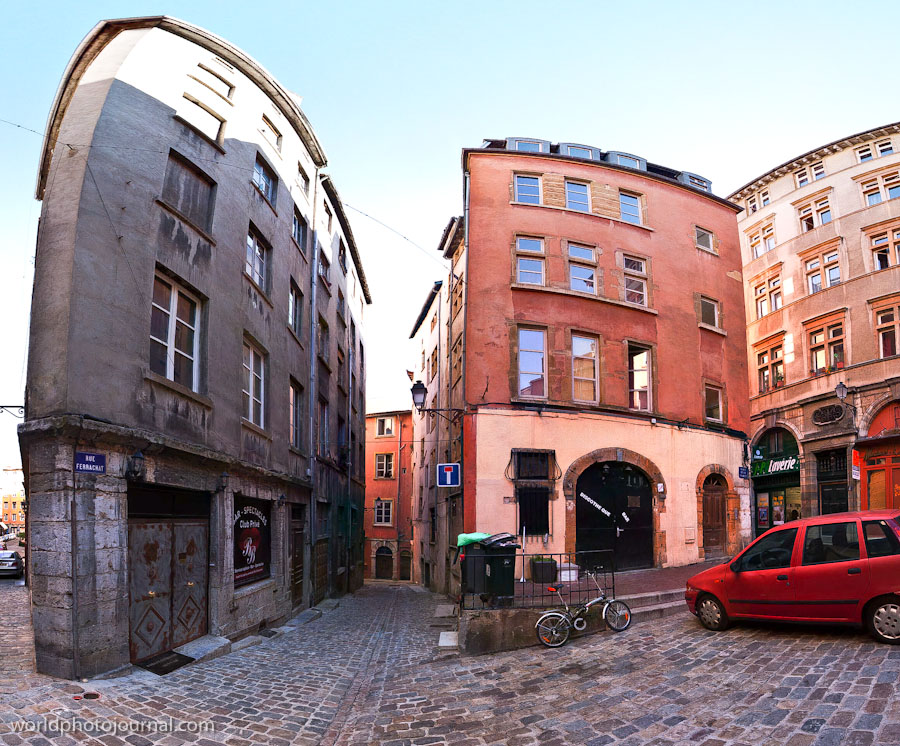
Rue Ferrachat Street, Lyon France

Rue Ferrachat Street, Lyon France
A charming old-town street in Lyon showcasing colorful Renaissance architecture and authentic European character.

Rue Ferrachat is a picturesque street located in the heart of Lyon’s historic old town, offering visitors a glimpse into the city’s rich architectural heritage. Lined with traditional buildings painted in warm terracotta, coral, and weathered stone tones, this street captures the essence of French urban charm. The narrow cobblestone thoroughfare is a favorite among photographers and travelers seeking to experience authentic Lyon beyond the main tourist routes.

Highlights

  • Colorful Renaissance-era buildings with distinctive architectural details and character
  • Authentic narrow cobblestone street typical of Lyon’s Vieux Lyon district
  • Mix of residential and small commercial spaces reflecting local life
  • Excellent examples of historic facade preservation and European urban design

What to Do

  • Photography: Capture the vibrant architecture and street atmosphere
  • Walking tours: Explore the surrounding Vieux Lyon historic district on foot
  • Local dining: Visit nearby restaurants and cafes in the old town
  • Architecture appreciation: Study the Renaissance building details and restoration work

Best Time to Visit

Spring through autumn, when the weather is pleasant and the buildings are beautifully lit by natural sunlight, though winter offers a quieter, more atmospheric experience.

Getting There

Rue Ferrachat is located in Vieux Lyon, accessible by foot from the city center or via the funicular railways that connect the lower town to the basilica area.

Visitor Tips

  • Wear comfortable walking shoes suitable for cobblestone streets
  • Visit during daytime for the best photography and sightseeing conditions
  • Explore the surrounding streets to discover more hidden gems in Vieux Lyon
  • Check local tourism websites for information about historic building tours

Nearby

  • Basilica of Notre-Dame de Fourvière
  • Vieux Lyon Historic District
  • Roman theaters of Lyon
  • Saint-Jean Cathedral

Rue Ferrachat embodies the romantic allure of historic Lyon, inviting visitors to step back in time through its beautifully preserved buildings and authentic street atmosphere. Whether you’re a photography enthusiast, architecture lover, or simply seeking to experience real European charm, this enchanting street delivers an unforgettable glimpse into Lyon’s storied past.

Location Map

Rue Ferrachat Street, Lyon France Read More »

Scroll to Top