architecture

Beijing National Stadium (Bird’s Nest), Beijing China
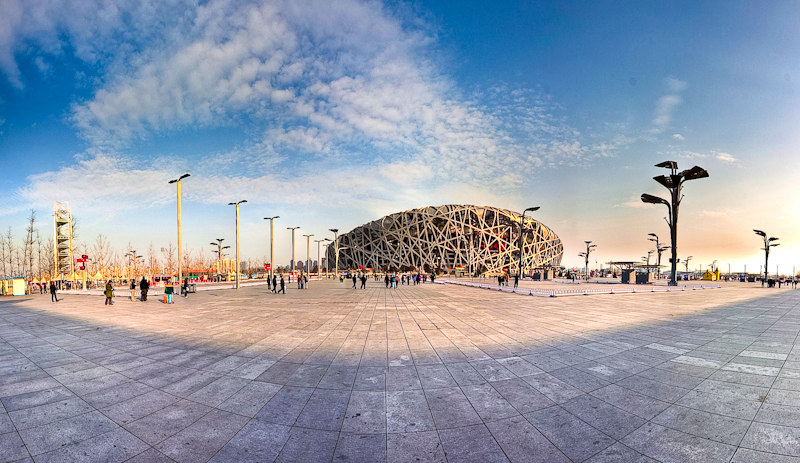
Beijing National Stadium (Bird's Nest), Beijing China
An iconic architectural masterpiece and symbol of modern China’s ambitious Olympic vision.

The Beijing National Stadium, affectionately known as the ‘Bird’s Nest’ for its distinctive woven steel structure, stands as one of the world’s most recognizable sports venues. Built for the 2008 Summer Olympics, this architectural marvel was designed by Swiss architects Herzog & de Meuron in collaboration with Chinese architect Li Xinggang. The stadium’s intricate lattice design creates a stunning visual effect, especially when illuminated at night, and represents a bold fusion of contemporary engineering with artistic vision. Today, it remains one of Beijing’s most visited attractions, drawing millions of visitors annually who come to marvel at its innovative design and learn about China’s hosting of the historic 2008 Olympics.

Highlights

  • Iconic woven steel structure inspired by traditional Chinese ceramics, creating a bird’s nest appearance
  • Capacity of 80,000 spectators with advanced engineering and architectural innovation
  • Expansive plaza surrounding the stadium offering perfect photo opportunities and views from all angles
  • Modern lighting system that transforms the structure into a glowing beacon at night

What to Do

  • Tour the interior of the stadium to learn about Olympic history and sporting achievements
  • Walk around the vast plaza at different times of day to capture the changing light and architectural details
  • Visit the nearby China National Stadium Exhibition to explore interactive exhibits about the 2008 Olympics
  • Photograph the distinctive lattice design from various vantage points throughout the surrounding area
  • Explore the Olympic Green Park complex and visit adjacent cultural attractions

Best Time to Visit

Spring (April-May) and autumn (September-October) offer the most pleasant weather with clear skies and comfortable temperatures ideal for exploring the outdoor plaza and photography.

Getting There

Easily accessible via Beijing’s metro system (Line 8,奥体中心/Olympic Sports Centre station). Located in the Olympic Green area in northern Beijing, approximately 15 km from the city center. Taxis and ride-sharing services are readily available.

Visitor Tips

  • Arrive early morning or late afternoon for the best lighting and fewer crowds for photography
  • Wear comfortable shoes as exploring the expansive plaza involves significant walking
  • Check ahead for any special events or closures that might affect access
  • Bring sunscreen and water, as the plaza offers minimal shade
  • Consider visiting during evening hours when the stadium’s lighting creates a spectacular sight

Nearby

  • Water Cube (China National Aquatics Centre)
  • Olympic Forest Park
  • China National Stadium Exhibition
  • Beijing National Convention Centre

The Bird’s Nest is more than just a sports stadium—it’s a testament to human creativity, engineering prowess, and China’s transformation on the world stage. Whether you’re an architecture enthusiast, Olympic history buff, or simply a curious traveler, this iconic landmark offers an unforgettable experience. Stand in the vast plaza, gaze up at the intricate steel lattice, and feel the energy of one of the world’s most remarkable architectural achievements.

Location Map

Beijing National Stadium (Bird’s Nest), Beijing China Read More »
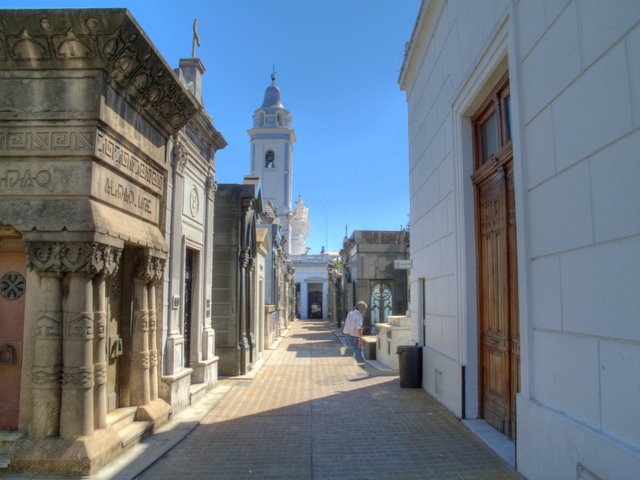
Recoleta Cemetery, Buenos Aires Argentina

Recoleta Cemetery, Buenos Aires Argentina
One of the world’s most prestigious and architecturally stunning cemeteries, a fascinating open-air museum of Argentine history and grandeur.

Recoleta Cemetery is a magnificent necropolis in the heart of Buenos Aires’ upscale Recoleta neighborhood, serving as the final resting place of Argentina’s most prominent figures, including former presidents, military leaders, and cultural icons. Founded in 1822, this sprawling cemetery has evolved into an architectural masterpiece, featuring ornate mausoleums, elaborate sculptures, and intricate stonework that rivals the grandeur of European cemeteries. The cemetery’s narrow streets and towering marble structures create an almost labyrinthine atmosphere, offering visitors a unique blend of solemn reverence and artistic appreciation.

Highlights

  • Elaborate marble mausoleums and neoclassical architecture throughout the grounds
  • The tomb of Eva Perón, one of Argentina’s most iconic historical figures
  • Intricate sculptures, reliefs, and artistic stonework depicting religious and historical themes
  • A fascinating window into Argentine history and the country’s cultural heritage
  • Atmospheric narrow pathways lined with impressive family vaults and monuments

What to Do

  • Walk the winding pathways to discover ornate tombs and architectural gems
  • Locate the tomb of Eva Perón and learn about her legendary impact on Argentina
  • Photograph the stunning neoclassical and baroque architectural details
  • Visit the on-site museum to understand the cemetery’s history and notable burials
  • Explore the peaceful atmosphere and reflect on the lives of Argentina’s elite

Best Time to Visit

Spring (September-November) or autumn (March-May) offer pleasant weather and fewer crowds. Early morning visits provide softer light for photography and a more contemplative experience.

Getting There

Located in the upscale Recoleta neighborhood, the cemetery is easily accessible by metro (Line D to Patio station), bus, or taxi. It’s within walking distance of other Recoleta attractions.

Visitor Tips

  • Wear comfortable walking shoes as the cemetery covers extensive grounds with uneven pathways
  • Bring a map or hire a guide to navigate the maze-like layout and learn historical context
  • Visit early in the day to avoid crowds and enjoy peaceful contemplation
  • Respect the sacred nature of the cemetery and avoid disturbing graves or monuments
  • Allow 2-3 hours for a thorough exploration of the main highlights

Nearby

  • Recoleta Cultural Center with museums and galleries
  • Basilica Nuestra Señora del Pilar church
  • Plaza Francia artisan fair and weekend market
  • Upscale restaurants and cafes in the Recoleta neighborhood

Recoleta Cemetery stands as a testament to Argentina’s rich history and artistic heritage, offering visitors far more than a traditional graveyard experience. Whether you’re drawn by historical interest, architectural appreciation, or simple curiosity, a visit to this extraordinary necropolis provides insight into Argentine culture and leaves a lasting impression of beauty and contemplation.

Location Map

Recoleta Cemetery, Buenos Aires Argentina Read More »

Scroll to Top