travel

travel photos

Urban Street Scene, East Asian City

Urban Street Scene, East Asian City
A candid snapshot of daily urban life where bicycles and street crossings reflect the vibrant pulse of modern Asian cities.

This photograph captures an authentic moment of urban transit in a bustling East Asian city, showcasing the everyday reality of commuters navigating city streets. The scene reveals the blend of traditional and modern transportation methods—bicycles remain a primary mode of transport alongside motor vehicles. The pedestrian-friendly infrastructure, marked by clear crosswalks and organized street layouts, reflects the city’s commitment to safe urban mobility and active transportation culture.

Highlights

  • Active cycling culture with dedicated bike infrastructure and cargo baskets
  • Well-organized pedestrian crossings and street safety systems
  • Mixed transportation ecosystem showing bicycles alongside taxis and modern vehicles
  • Urban park or greenery visible in the background indicating city planning priorities
  • Winter/early spring season captured with appropriate seasonal clothing

What to Do

  • Explore the city by bicycle using the local bike-sharing or rental systems
  • Navigate busy shopping districts and street markets accessible by foot
  • Experience local café culture and street food vendors along pedestrian routes
  • Visit nearby urban parks and green spaces visible throughout the city
  • Observe and participate in the local commuting patterns and daily urban rhythm

Best Time to Visit

Spring (March-May) and autumn (September-November) offer pleasant weather with comfortable temperatures for cycling and walking, avoiding harsh winters and humid summers.

Getting There

Most East Asian cities are served by international airports with excellent public transportation connections. Subway, bus, and taxi services provide convenient access to downtown areas and residential neighborhoods.

Visitor Tips

  • Rent a bicycle to experience the city like locals do—it’s economical and immersive
  • Follow traffic signals and use designated crosswalks; pedestrian safety is strictly enforced
  • Dress in layers during cooler months; urban areas have variable microclimates
  • Carry a small bag or use bike baskets for shopping and daily essentials
  • Explore side streets and alleys away from main roads for authentic local experiences

Nearby

  • Local parks and green spaces for recreation and relaxation
  • Street markets and shopping districts for authentic retail experiences
  • Neighborhood restaurants and cafés showcasing regional cuisine
  • Cultural landmarks and museums reflecting local heritage

This urban scene invites travelers to embrace the authentic rhythm of East Asian city life, where bicycles, pedestrians, and careful street planning create a sustainable and vibrant living environment. Whether you’re an urban explorer, a cycling enthusiast, or simply curious about how modern Asian cities function, the streets offer endless opportunities for discovery and connection with local communities.

Location Map

Urban Street Scene, East Asian City Read More »

Ginza Shopping District, Tokyo Japan

Ginza Shopping District, Tokyo Japan
Tokyo’s most prestigious shopping district dazzles with luxury boutiques, festive holiday displays, and world-class dining experiences.

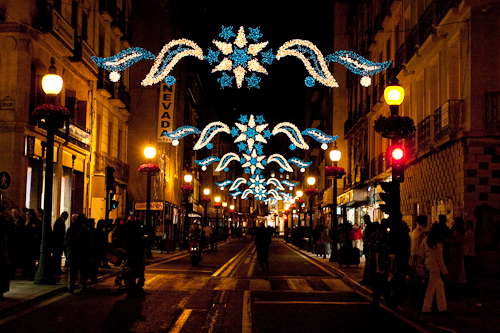
Ginza stands as one of the world’s most upscale shopping destinations, located in the heart of Tokyo’s Chuo ward. This iconic district seamlessly blends traditional Japanese culture with cutting-edge modern retail, featuring flagship stores of international luxury brands alongside historic Japanese establishments. During the holiday season, Ginza transforms into a glittering wonderland with elaborate window displays, festive decorations, and warm seasonal messages like the neon ‘happy holidays’ signs that grace storefront windows, creating a magical atmosphere for visitors and locals alike.

Highlights

  • Luxury shopping on Ginza’s main street with flagship stores from Chanel, Louis Vuitton, Gucci, and other premium brands
  • Festive holiday window displays and decorations that showcase creative seasonal themes and neon art
  • Fine dining and Michelin-starred restaurants offering Japanese and international cuisine
  • Historic buildings blending traditional architecture with modern retail experiences

What to Do

  • Browse luxury boutiques and flagship stores along the main Ginza avenue
  • Shop at department stores like Mitsukoshi and Matsuya for Japanese and international brands
  • Dine at world-class restaurants ranging from casual to Michelin-starred establishments
  • Photograph festive holiday displays and seasonal decorations
  • Visit the Ginza Sony Building and other architectural landmarks
  • Experience traditional tea houses and contemporary cafes

Best Time to Visit

December for holiday festivities and seasonal decorations, though spring (cherry blossoms) and autumn are also excellent for pleasant weather

Getting There

Accessible via Tokyo Metro Ginza Line, Marunouchi Line, and Hibiya Line; also served by JR and other train lines connecting to central Tokyo

Visitor Tips

  • Visit in the evening to fully appreciate the neon signs and holiday lighting
  • Ginza is extremely crowded during December holidays—arrive early or visit weekday mornings
  • Many stores and restaurants are expensive; budget accordingly for shopping and dining
  • Use the metro system; parking is limited and expensive in this area
  • Explore side streets (yokocho alleys) for unique shops and dining experiences

Nearby

  • Tsukiji Outer Market for fresh seafood and street food
  • Kabukiza Theatre for traditional Kabuki performances
  • Hibiya Park for outdoor relaxation
  • Imperial Palace and gardens
  • Akihabara electric district

Ginza captures the essence of modern Tokyo while honoring its rich heritage, making it an essential destination for luxury shoppers, food enthusiasts, and travelers seeking authentic Japanese culture. Whether you’re admiring festive holiday displays during December or exploring world-class boutiques year-round, Ginza offers an unforgettable experience that blends sophistication with warmth and seasonal charm.

Location Map

Ginza Shopping District, Tokyo Japan Read More »

Halong Bay Cruise, UNESCO World Heritage Site Vietnam

Halong Bay Cruise, UNESCO World Heritage Site Vietnam
Explore the emerald waters and limestone karsts of Southeast Asia’s most iconic natural wonder

Halong Bay is a stunning coastal region in northeastern Vietnam characterized by towering limestone islands rising dramatically from turquoise waters. UNESCO recognized this natural masterpiece as a World Heritage Site for its exceptional geological formations and breathtaking scenic beauty. The bay spans approximately 1,553 square kilometers and features thousands of limestone karsts, hidden caves, and secluded beaches that make it one of the world’s most photographed destinations.

Cruising through Halong Bay offers an unforgettable journey through a landscape that feels almost prehistoric. The unique karst topography, formed over millions of years, creates an otherworldly atmosphere perfect for exploration and discovery. Whether traveling by luxury cruise, traditional junk boat, or speedboat, visitors experience the perfect blend of natural wonder and Vietnamese hospitality.

The bay’s pristine waters and abundant marine life make it ideal for swimming, kayaking, and water sports. Evening sunsets cast golden light across the limestone formations, creating magical moments that inspire photographers and nature lovers alike.

Highlights

  • Limestone karst formations rising up to 200 meters from the sea with dramatic vertical cliffs
  • Traditional Vietnamese wooden junk boats offering authentic cruising experiences with onboard dining
  • Hidden caves and grottoes including the famous Sung Sot Cave with stalactite formations
  • Floating fishing villages showcasing traditional Vietnamese coastal life and culture
  • Crystal-clear emerald waters perfect for swimming, snorkeling, and kayaking adventures

What to Do

  • Take a multi-day cruise through the bay stopping at scenic anchorages and limestone islands
  • Explore caves like Surprise Cave (Sung Sot) with impressive stalactite and stalagmite formations
  • Kayak through hidden lagoons and mangrove forests for intimate nature encounters
  • Visit floating fishing villages to learn about traditional Vietnamese maritime communities
  • Watch sunset from the deck of your boat with panoramic views of the karst landscape
  • Swim and snorkel in designated areas to experience the marine biodiversity

Best Time to Visit

October to April offers the best weather with calm seas, clear skies, and comfortable temperatures. Avoid summer months (June-September) when typhoons are common and visibility is reduced by rain and humidity.

Getting There

Fly into Noi Bai International Airport in Hanoi, then travel 170 kilometers northeast by car, bus, or organized tour (approximately 2.5-3 hours) to reach Halong Bay’s main port at Hon Gai or Bai Chay.

Visitor Tips

  • Book cruises in advance during peak season (October-November and March-April) to secure preferred vessels and dates
  • Bring seasickness medication if prone to motion sickness, as the bay can have choppy waters
  • Pack lightweight, quick-dry clothing and reef-safe sunscreen for water activities
  • Respect local fishing communities and marine ecosystems by following responsible tourism guidelines
  • Consider a longer 2-3 day cruise rather than day trips to experience the bay’s full beauty and solitude

Nearby

  • Cat Ba Island with beaches, hiking trails, and the Cat Ba Biosphere Reserve
  • Bai Tu Long Bay, a less crowded alternative featuring similar limestone formations
  • Hanoi Old Quarter, the vibrant historic city center located 170 kilometers away
  • Sapa Valley in the northwest mountains, known for terraced rice fields and ethnic minorities

Halong Bay represents one of nature’s greatest achievements—a landscape shaped by time, geology, and the elements into something truly transcendent. Whether you’re floating peacefully on traditional wooden jungks, kayaking through secret lagoons, or simply watching the sun paint the limestone cliffs in golden light, Halong Bay promises memories that will last a lifetime. This UNESCO World Heritage treasure deserves a place on every traveler’s bucket list, offering an authentic Vietnamese experience that connects you to both the natural world and the rich maritime traditions of this remarkable region.

Location Map

Halong Bay Cruise, UNESCO World Heritage Site Vietnam Read More »

Peak Bar, Park Hyatt Tokyo — 42nd Floor, Tokyo Japan

Peak Bar, Park Hyatt Tokyo — 42nd Floor, Tokyo Japan
Experience Tokyo’s glittering skyline from one of the world’s most prestigious hotel bars high above the city.

Perched on the 42nd floor of the Park Hyatt Tokyo in the heart of Shinjuku, the Peak Bar offers an unparalleled panoramic view of Tokyo’s sprawling urban landscape. This iconic establishment has become synonymous with luxury hospitality and sophisticated leisure, immortalized in popular culture as one of the world’s most exclusive bars. From this vantage point, guests witness the city’s endless expanse of buildings, bridges, and lights, creating a mesmerizing backdrop for an unforgettable evening. The bar captures the essence of modern Tokyo—a harmonious blend of tradition and cutting-edge contemporary design.

The panoramic vista showcases Tokyo in its full glory, with layers of architecture stretching to the horizon beneath dramatic skies. Whether by day or night, the view transforms continuously, offering distinct moods and perspectives. The black and white photography emphasizes the geometric beauty of the cityscape and the atmospheric drama of the sky, highlighting why this location has captivated travelers and photographers alike.

Highlights

  • 42nd-floor vantage point offering 360-degree views of Tokyo’s skyline and urban landscape
  • World-class cocktail selection and premium beverage menu crafted by expert mixologists
  • Sophisticated ambiance that blends contemporary minimalism with traditional Japanese aesthetics
  • Dramatic natural lighting and ever-changing atmospheric conditions throughout the day

What to Do

  • Enjoy craft cocktails while watching the sunset over Tokyo’s metropolitan sprawl
  • Photograph the city skyline from multiple angles and perspectives within the bar
  • Dine at the adjacent restaurant featuring innovative Japanese and international cuisine
  • Observe the city transform from day to night as lights illuminate the urban landscape
  • Experience Japanese hospitality and service excellence at its finest

Best Time to Visit

Visit during clear days for optimal visibility of the distant cityscape, or come at sunset to witness the transition from daylight to the glittering night lights. The bar operates year-round, though spring and autumn offer the most comfortable temperatures and clearest skies.

Getting There

Located in the Park Hyatt Tokyo in Shinjuku, accessible via the Shinjuku Metro Station (multiple train lines). The hotel is a 10-minute walk from the station, or guests can arrange hotel transportation. Access to the bar is typically reserved for hotel guests and restaurant patrons.

Visitor Tips

  • Arrive early or during off-peak hours for a more relaxed experience and better photo opportunities
  • Dress code is business casual; formal attire is recommended for evening visits
  • Reservations are highly recommended, especially for evening hours and weekends
  • The bar offers the best views during clear weather; check forecasts before planning your visit
  • Allow time to explore the hotel’s other amenities and restaurants while you’re there

Nearby

  • Shinjuku Gyoen National Garden — beautiful urban park with seasonal flora
  • Tokyo Metropolitan Government Building — free observation deck with city views
  • Meiji Shrine — historic Shinto shrine in nearby Shibuya
  • Shibuya Crossing — world’s busiest pedestrian intersection

Standing 42 floors above the bustling streets of Tokyo, the Peak Bar offers more than just cocktails and cuisine—it provides a transcendent perspective on one of the world’s most dynamic cities. This is where luxury, hospitality, and urban beauty converge to create an experience that lingers long after your visit. Whether you seek inspiration, celebration, or simply a moment of serene contemplation above the clouds, the Peak Bar awaits with its timeless panoramic promise.

Location Map

Peak Bar, Park Hyatt Tokyo — 42nd Floor, Tokyo Japan Read More »

New York Bar, Park Hyatt Tokyo — 52nd Floor, Tokyo Japan

New York Bar, Park Hyatt Tokyo — 52nd Floor, Tokyo Japan
Experience Tokyo’s glittering skyline from this iconic 52nd-floor bar with panoramic city views and world-class cocktails.

Perched on the 52nd floor of the luxurious Park Hyatt Tokyo, the New York Bar stands as one of Asia’s most prestigious cocktail lounges, offering breathtaking 360-degree views of Tokyo’s sprawling metropolis. This sophisticated venue captures the essence of 1950s New York elegance, featuring floor-to-ceiling windows that frame the city’s glittering lights in a stunning nocturnal display. Whether you’re sipping a perfectly crafted martini or enjoying premium whisky, the New York Bar delivers an unforgettable experience that seamlessly blends cosmopolitan style with Tokyo’s vibrant energy.

The bar’s refined ambiance is enhanced by its impeccable service, expert mixologists, and carefully curated selection of spirits from around the world. The atmosphere transforms throughout the evening as Tokyo’s skyline illuminates, creating an ever-changing backdrop for conversations and celebrations. This is not merely a place to drink; it’s a destination that embodies luxury travel and urban sophistication.

Highlights

  • Panoramic 52nd-floor views of Tokyo’s illuminated skyline at night
  • Expertly crafted cocktails served by world-class mixologists
  • 1950s New York-inspired décor and sophisticated ambiance
  • Floor-to-ceiling windows framing the entire cityscape
  • Premium selection of international spirits and Japanese whisky

What to Do

  • Enjoy signature cocktails while watching the city lights from 52 stories above
  • Experience live jazz performances on select evenings
  • Reserve a window seat for sunset or late-night skyline views
  • Explore the Park Hyatt’s luxury amenities and contemporary Japanese design
  • Celebrate special occasions in one of Tokyo’s most prestigious venues

Best Time to Visit

Evening and night, particularly clear nights when the city skyline is most visible and vibrant. Winter months offer crisp air and exceptional visibility.

Getting There

The New York Bar is located in the Park Hyatt Tokyo in Shinjuku. Access via Tokyo Metro: Shinjuku Station (Marunouchi Line) or Shinjuku-sanchome Station (Fukutoshin Line). The hotel is a 5-minute walk from these stations.

Visitor Tips

  • Arrive early for sunset views, or after 9 PM for the most dramatic city lights
  • Smart casual dress code is recommended; jackets preferred for men
  • Expect higher prices typical of luxury Tokyo establishments; budget accordingly
  • Reserve ahead during peak season and weekends for better seating
  • Photography is permitted but be respectful of other guests

Nearby

  • Meiji Shrine and Meiji Forest — historic shrine in peaceful wooded setting
  • Shinjuku Gyoen National Garden — expansive garden with seasonal flowers
  • Tokyo Metropolitan Government Building — free observation decks with city views
  • Takeshita Street — bustling pedestrian shopping street in Harajuku

The New York Bar at Park Hyatt Tokyo represents the pinnacle of sophisticated urban hospitality, offering a moment of timeless elegance above the electric energy of Tokyo. Whether you’re a seasoned traveler seeking luxury, a cocktail enthusiast appreciating fine mixology, or simply someone who loves unforgettable views, this 52nd-floor sanctuary delivers an experience that lingers long after your final sip. Come witness Tokyo’s dazzling transformation as night falls, and understand why this iconic bar has captivated visitors from around the world.

Location Map

New York Bar, Park Hyatt Tokyo — 52nd Floor, Tokyo Japan Read More »

Hanoi Flower Festival, Hanoi Vietnam

Hanoi Flower Festival, Hanoi Vietnam
A vibrant annual celebration of blooming flowers and cultural traditions in Vietnam’s historic capital.

The Hanoi Flower Festival is one of Vietnam’s most anticipated annual events, celebrating the beauty of flowers and the arrival of spring. Held in the heart of Hanoi, this festival transforms the city’s streets and parks into a colorful botanical wonderland, attracting visitors from across the globe. The 2010 festival showcased stunning floral displays, traditional performances, and the joyful spirit of local communities, including the charming presence of Vietnamese children experiencing the festive atmosphere.

Highlights

  • Elaborate floral arrangements and displays throughout Hanoi’s streets and public spaces
  • Traditional Vietnamese cultural performances and festivities celebrating spring
  • Family-friendly activities and events for visitors of all ages
  • Local artisan flower vendors and horticultural exhibitions
  • Photography opportunities amid vibrant blooming landscapes

What to Do

  • Stroll through decorated streets to admire creative flower installations and arrangements
  • Participate in traditional cultural performances and local festivities
  • Visit flower markets and exhibitions featuring rare and exotic blooms
  • Enjoy traditional Vietnamese food and refreshments at festival vendors
  • Capture memorable family photos amid the colorful floral settings

Best Time to Visit

Spring (March-April), when flowers are in full bloom and the weather is mild and pleasant

Getting There

Fly into Noi Bai International Airport in Hanoi; use taxis, ride-sharing apps, or local buses to reach festival venues in the city center

Visitor Tips

  • Arrive early in the day to avoid crowds and enjoy the best lighting for photos
  • Wear comfortable walking shoes as the festival spans multiple locations throughout the city
  • Bring sunscreen and stay hydrated while exploring outdoor floral displays
  • Check the official festival schedule for performance times and special events
  • Respect local customs and ask permission before photographing people, especially children

Nearby

  • Hoan Kiem Lake in central Hanoi
  • Old Quarter historic district and temples
  • Ho Tay (West Lake) for scenic walks

The Hanoi Flower Festival is a magnificent celebration that brings families together to appreciate nature’s beauty and Vietnamese culture. Whether you’re seeking vibrant photo opportunities, cultural immersion, or simply want to experience the joy of spring in one of Asia’s most dynamic cities, this festival offers an unforgettable journey into the heart of Hanoi’s traditions and natural splendor.

Location Map

Hanoi Flower Festival, Hanoi Vietnam Read More »

Scroll to Top