Angkor Wat Temple Complex, Siem Reap Cambodia

Angkor Wat stands as a magnificent testament to the architectural and artistic genius of the Khmer Empire. Built in the early 12th century as a Hindu temple dedicated to Vishnu, this sprawling complex has evolved into Cambodia’s most iconic landmark and one of the most important archaeological sites in Southeast Asia. The temple’s distinctive silhouette, crowned by five lotus-shaped towers, creates an unforgettable skyline that has captivated travelers and pilgrims for centuries.
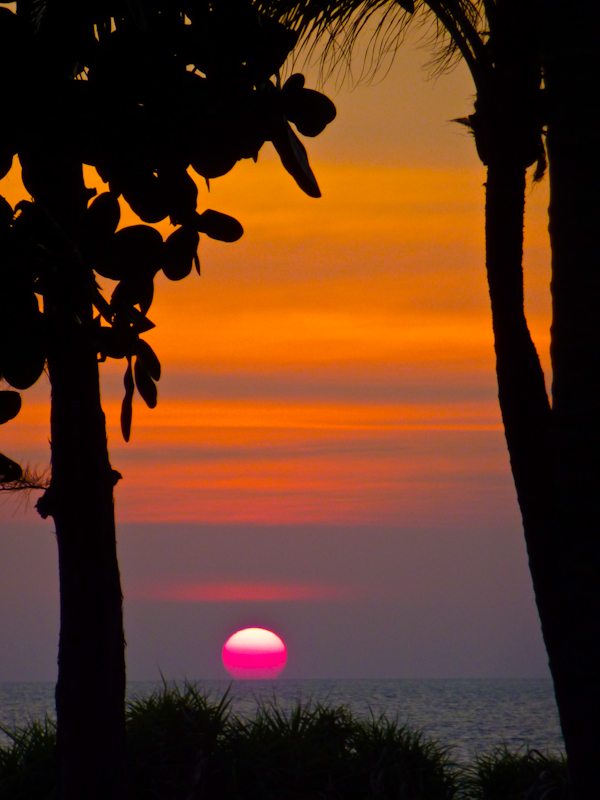
The experience of witnessing the sunrise over Angkor Wat is truly transcendent. As the first light breaks across the horizon, the ancient stone structures gradually emerge from darkness, bathed in soft golden and pink hues. This magical moment, when the temple seems to bridge the earthly and spiritual realms, is why thousands of visitors wake before dawn each year to experience this natural spectacle.
Beyond its visual splendor, Angkor Wat represents an extraordinary feat of engineering and urban planning. The complex sprawls across 162.6 hectares and features intricate bas-reliefs, mysterious galleries, and a sophisticated water management system that still functions today, revealing the advanced knowledge of the Khmer civilization.
Highlights
- Sunrise viewing from the western entrance or elevated vantage points, offering unparalleled photography opportunities
- Intricate bas-relief carvings depicting Hindu epics and daily life scenes throughout the temple galleries
- The iconic five-tower silhouette reflected in the surrounding moat and reservoirs
- Three levels of galleries leading to the central sanctuary with panoramic views of the entire complex
What to Do
- Wake before dawn and position yourself for sunrise photography at one of the designated viewing areas
- Explore the temple’s three levels, taking time to study the detailed carved reliefs and inscriptions
- Visit the Western Gallery to view the famous ‘Churning of the Ocean of Milk’ bas-relief
- Climb to the central tower for expansive views across the temple grounds and surrounding landscape
- Walk the perimeter around the outer moat for different perspectives and fewer crowds
Best Time to Visit
November to February offers the most comfortable weather with cooler temperatures and lower humidity. Sunrise viewing is spectacular year-round, but dry season provides clearer skies and better visibility.
Getting There
Fly into Siem Reap International Airport, then arrange transportation via tuk-tuk, private car, or organized tours. Most visitors purchase a multi-day Angkor Archaeological Park pass to explore the entire temple complex.
Visitor Tips
- Arrive at least 1-1.5 hours before sunrise to secure a good viewing spot and avoid large crowds
- Wear comfortable walking shoes and bring plenty of water, as exploration involves significant walking on stone surfaces
- Dress respectfully when entering temple areas; cover shoulders and knees as a sign of respect
- Hire a knowledgeable guide to fully appreciate the historical significance and intricate details
- Consider visiting on a cloudy morning for dramatic skies, as shown in this photo
Nearby
- Bayon Temple, known for its 216 smiling stone faces
- Ta Prohm Temple, famous for its intertwining tree roots and jungle setting
- Beng Mealea, an atmospheric and less-visited temple surrounded by jungle
Angkor Wat offers far more than a stunning sunrise—it is a profound journey into one of humanity’s greatest civilizations. Standing before these ancient stones as the sun breaks the horizon, you’ll understand why this sacred temple has endured for nearly a thousand years. Whether you’re a history enthusiast, spiritual seeker, or photography lover, Angkor Wat promises an experience that will transform your perspective on human achievement and beauty.
Location Map
Angkor Wat Temple Complex, Siem Reap Cambodia Read More »