January 2010

Monkey Island, Phi Phi Island — Thailand
Monkey Island, Phi Phi Island — Thailand
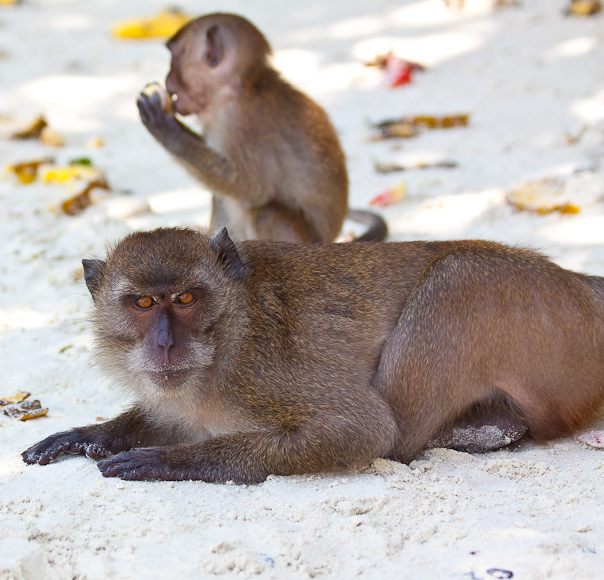
A pristine tropical sanctuary where wild monkeys roam freely on powdery white sand beaches surrounded by crystal-clear waters.

Monkey Island is one of Thailand’s most enchanting natural attractions, located off the coast of Phi Phi Island in Krabi Province. This idyllic destination offers visitors a rare opportunity to observe long-tailed macaques in their natural habitat while enjoying some of Southeast Asia’s most stunning beach scenery. The island’s untouched beauty, combined with its thriving monkey population, makes it a must-visit for wildlife enthusiasts and beach lovers alike. The monkeys here are remarkably habituated to human visitors, allowing for up-close wildlife photography and observation without disrupting their natural behavior.

Highlights

  • Wild long-tailed macaques lounging and foraging on pristine white sand beaches
  • Crystal-clear turquoise waters perfect for swimming and snorkeling
  • Dramatic limestone cliffs and lush tropical vegetation surrounding the island
  • Excellent opportunities for wildlife photography and nature observation

What to Do

  • Observe and photograph the resident monkey population in their natural environment
  • Swim and snorkel in the clear waters surrounding the island
  • Relax on the untouched white sand beaches with stunning views
  • Explore the island’s natural trails and scenic viewpoints
  • Take guided boat tours from nearby Phi Phi Island

Best Time to Visit

November to April offers the best weather with calm seas, clear skies, and comfortable temperatures. Avoid the monsoon season from May to October when seas are rough and visibility is poor.

Getting There

Monkey Island is accessible by boat from Phi Phi Island, which can be reached by speedboat or ferry from Phuket Town (about 40-60 minutes). Most visitors book organized tours or hire private long-tail boats from nearby islands.

Visitor Tips

  • Don’t bring plastic bags or leave food unattended, as monkeys may grab items
  • Keep valuables secure, as monkeys are known to snatch small objects
  • Bring reef-safe sunscreen to protect both your skin and the marine ecosystem
  • Visit early morning for the best wildlife viewing and fewer crowds
  • Wear water shoes for comfort on the sandy beach and rocky areas

Nearby

  • Phi Phi Don Island with its famous Maya Bay
  • Bamboo Island with pristine coral reefs
  • Phuket Town and Patong Beach
  • James Bond Island in Phang Nga Bay

Monkey Island offers an unforgettable experience where nature and wildlife converge in perfect harmony. Whether you’re seeking adventure, relaxation, or authentic wildlife encounters, this tropical paradise delivers on all fronts. The sight of wild monkeys against the backdrop of turquoise waters and white sand beaches is an image that stays with travelers long after they leave Thailand’s shores.

Location Map

Monkey Island, Phi Phi Island — Thailand Read More »
Phuket Beach Sunset, Thailand

Phuket Beach Sunset, Thailand
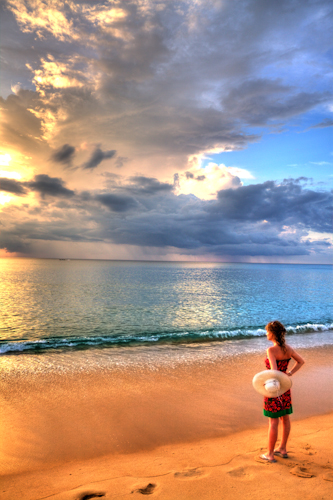
Witness nature’s most spectacular light show with golden skies meeting turquoise waters on Phuket’s pristine shores.

Phuket’s beaches are renowned for their breathtaking sunsets that paint the sky in shades of gold, orange, and pink. The combination of warm tropical waters, soft sandy shores, and dramatic cloud formations creates an unforgettable evening experience. Whether you’re a solo traveler seeking tranquility or a couple looking for a romantic moment, Phuket’s sunsets deliver pure magic every evening.

Highlights

  • Golden hour photography with vibrant sky reflections on calm waters
  • Pristine sandy beaches perfect for sunset strolls and relaxation
  • Dramatic cloud formations and natural light displays unique to tropical sunsets
  • Calm evening atmosphere ideal for swimming and water activities like paddleboarding

What to Do

  • Watch the sunset from the beach with a drink in hand and toes in the sand
  • Capture stunning photography with the sky as your canvas
  • Take an evening swim in the warm tropical waters
  • Enjoy beachfront dining at nearby restaurants with sunset views
  • Practice yoga or meditation on the beach during golden hour

Best Time to Visit

November to February offers the clearest skies and most dramatic sunsets, with dry season weather and minimal rain

Getting There

Fly into Phuket International Airport (HKT), then take a taxi, tuk-tuk, or rental car to reach Phuket’s main beaches like Patong, Kata, or Karon Beach

Visitor Tips

  • Arrive 30-45 minutes before sunset to secure the best viewing spots
  • Bring sunscreen and stay hydrated despite the evening hour
  • Consider visiting quieter beaches for a more peaceful sunset experience
  • Wear water shoes as sand can get hot in late afternoon

Nearby

  • Phang Nga Bay limestone cliffs and islands
  • Old Phuket Town with its charming Sino-Portuguese architecture
  • Big Buddha statue overlooking the island

Phuket’s sunsets remind us why tropical destinations captivate travelers worldwide. The warmth of the setting sun, the gentle lap of waves, and the painted sky create moments of pure bliss that linger long after your visit ends. Plan your Phuket escape today and experience nature’s nightly masterpiece.

Location Map

Phuket Beach Sunset, Thailand Read More »

The Forbidden City, Historic Imperial Palace Beijing China

The Forbidden City, Historic Imperial Palace Beijing China
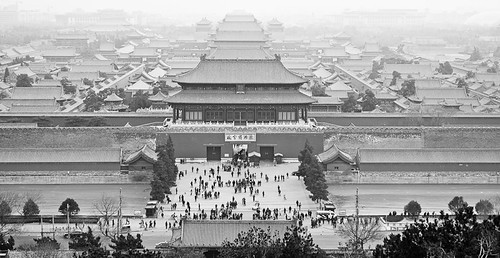
An architectural masterpiece spanning six centuries of Chinese imperial history, viewed majestically from Jingshan Hill.

The Forbidden City stands as one of the world’s largest and best-preserved palace complexes, a testament to the grandeur of ancient Chinese civilization. Built during the Ming Dynasty and home to emperors for nearly 500 years, this UNESCO World Heritage Site encompasses nearly 1,000 buildings arranged in a perfect geometric layout. Viewed from the northern vantage point of Jingshan Hill, the palace reveals its breathtaking scale and architectural symmetry, with layered roofs and intricate details stretching across the imperial landscape. The Forbidden City represents the pinnacle of Chinese architectural achievement, blending artistic beauty with strategic design principles that governed imperial life and governance.

The complex served as the exclusive residence and seat of power for Chinese emperors, hidden from the common people behind massive walls and guarded gates. Every structure, courtyard, and decorative element was designed with purpose, reflecting Confucian principles and imperial cosmology. Today, the palace museum welcomes millions of visitors annually, offering an unparalleled window into the opulence, rituals, and daily operations of the imperial court.

Highlights

  • Gate of Supreme Harmony – the grand entrance ceremonial gateway marking the beginning of imperial authority
  • Hall of Supreme Harmony – the largest building in the complex where major state ceremonies were held
  • The intricate layout of 980 buildings across 72 hectares, each positioned according to feng shui principles
  • Exquisite Ming and Qing Dynasty artifacts, imperial treasures, and artistic masterpieces throughout the museums
  • Panoramic views from Jingshan Hill showing the entire palace complex with traditional tiered roofs against the Beijing skyline

What to Do

  • Walk through the ceremonial pathway from south to north, experiencing the progression from public to private imperial spaces
  • Explore the Six Western Palaces and Six Eastern Palaces where concubines and imperial family members resided
  • Climb Jingshan Hill for breathtaking aerial views of the entire Forbidden City complex
  • Visit the Palace Museum exhibitions showcasing imperial artifacts, calligraphy, paintings, and historical documents
  • Discover the intricate details of garden courtyards, including the Imperial Garden with ancient cypress trees

Best Time to Visit

Spring (April-May) and autumn (September-October) offer pleasant weather and fewer crowds than summer. Winter visits provide fewer tourists and clear views, though temperatures drop significantly.

Getting There

Beijing is served by major international airports. The Forbidden City is located in central Beijing; visitors can take the subway (Line 1 to Tiananmen East or West), taxi, or join organized tours. Jingshan Hill is immediately north, accessible on foot.

Visitor Tips

  • Arrive early in the morning to beat crowds and secure the best photography positions from Jingshan Hill
  • Book tickets online in advance to skip queues and secure entry times, as daily visitor numbers are limited
  • Wear comfortable walking shoes as the complex requires several hours to explore thoroughly
  • Hire a guide or use an audio guide to understand the historical and architectural significance of each section
  • Visit during weekdays rather than weekends for a less crowded experience

Nearby

  • Jingshan Park and Jingshan Hill – perfect vantage point overlooking the entire palace complex
  • Tiananmen Square – China’s largest public plaza and iconic national symbol
  • National Museum of China – comprehensive collection of Chinese art and history
  • Mausoleum of Mao Zedong – historic monument located in Tiananmen Square
  • Temple of Heaven – ancient imperial temple complex south of the city

The Forbidden City represents an irreplaceable archive of human civilization, where centuries of imperial grandeur, artistic achievement, and historical events converge. Standing atop Jingshan Hill, gazing across the geometric perfection of the palace below, you’ll understand why this masterpiece continues to inspire awe in millions of visitors worldwide. Whether you’re a history enthusiast, architecture lover, or cultural explorer, the Forbidden City offers an unforgettable journey into the heart of ancient China’s imperial legacy.

Location Map

The Forbidden City, Historic Imperial Palace Beijing China Read More »

Scroll to Top