water sports

Tropical Surfing Beach – Hawaii
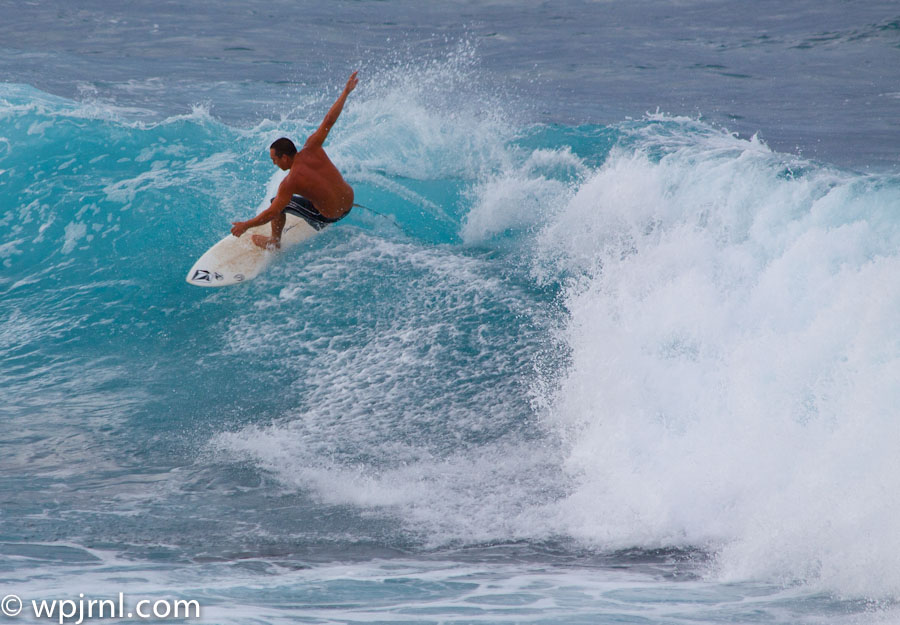
Tropical Surfing Beach - Hawaii
Ride world-class waves in crystal-clear turquoise waters surrounded by stunning tropical beauty.

Hawaii is a premier surfing destination, blessed with consistent swells, warm waters, and picturesque coastal landscapes. The islands offer perfect conditions for surfers of all levels, from beginners learning in gentle shore breaks to experienced wave riders tackling challenging reef breaks. With pristine beaches backed by lush vegetation and dramatic cliffs, Hawaiian surf spots deliver both thrilling athletic experiences and breathtaking natural scenery.

The combination of warm tropical climate, year-round surfable conditions, and the laid-back island culture makes Hawaii an iconic pilgrimage site for surfers worldwide. Whether you’re seeking an adrenaline-pumping adventure or a peaceful connection with the ocean, Hawaii’s beaches provide the perfect setting.

The vibrant turquoise waters visible in the photo showcase why these islands are renowned for their natural beauty and water sports opportunities.

Highlights

  • Pristine tropical beaches with turquoise waters and consistent waves
  • World-class surf breaks suitable for all skill levels
  • Warm climate and year-round surfing conditions
  • Stunning ocean views and dramatic coastal landscapes
  • Vibrant island culture and laid-back beach atmosphere

What to Do

  • Surf some of Hawaii’s most famous breaks like Pipeline, Sunset Beach, or Waikiki
  • Take surfing lessons from experienced local instructors
  • Explore nearby coastal trails and scenic viewpoints
  • Snorkel or dive in the clear tropical waters
  • Relax on the beach and experience the island lifestyle

Best Time to Visit

Year-round, though winter months (November-February) offer larger swells on the North Shore, while summer provides calmer waves on South Shore breaks.

Getting There

Fly into Honolulu International Airport on Oahu or other Hawaiian islands. Rent a car or use local transportation to access various beach breaks throughout the islands.

Visitor Tips

  • Bring reef-safe sunscreen to protect both your skin and coral reefs
  • Respect local culture and ocean safety rules at each break
  • Check surf forecasts and conditions before heading out
  • Consider hiring a local guide for the best current conditions and spot recommendations

Nearby

  • Waikiki Beach and Diamond Head
  • Hanauma Bay Nature Preserve
  • North Shore scenic drives and viewpoints
  • Local restaurants and beach-town shops

Hawaii’s legendary surf beaches offer an unforgettable experience where exhilarating waves meet tropical paradise. Whether you’re a dedicated surfer or simply seeking the magic of island life, Hawaii’s pristine waters and vibrant culture await. Plan your trip today and discover why surfers from around the world consider these islands the ultimate destination.

Location Map

Tropical Surfing Beach – Hawaii Read More »
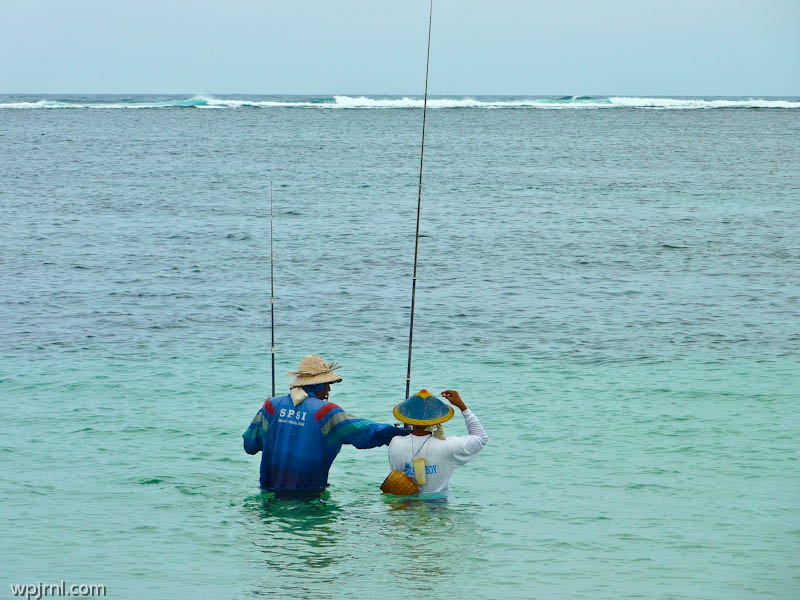
Nusa Dua Beach Resort Area, Bali Indonesia

Nusa Dua Beach Resort Area, Bali Indonesia
A pristine resort destination offering world-class beaches, water sports, and authentic fishing experiences in tropical Bali.

Nusa Dua is one of Bali’s most exclusive and well-developed resort areas, located on the eastern coast of the island. Known for its immaculate white-sand beaches, crystal-clear turquoise waters, and luxury accommodations, Nusa Dua offers a perfect blend of relaxation and adventure. Beyond the resort experience, the area maintains authentic cultural connections, including traditional fishing practices that have existed for generations. This destination attracts visitors seeking both upscale amenities and genuine local experiences.

Highlights

  • Pristine white-sand beaches with calm, clear turquoise waters ideal for swimming and water sports
  • Traditional fishing experiences where visitors can participate in local fishing methods
  • Luxury resort infrastructure with world-class hotels, spas, and restaurants
  • Water sports facilities including snorkeling, diving, sailing, and jet skiing
  • Cultural authenticity alongside modern tourism amenities

What to Do

  • Join traditional fishing expeditions with local fishermen to experience authentic Balinese fishing culture
  • Snorkel or dive in the nearby coral reefs teeming with tropical marine life
  • Relax on pristine beaches with water sports facilities and beach clubs
  • Visit the Bali Collection shopping and entertainment complex
  • Explore nearby Uluwatu temples and cultural landmarks
  • Enjoy water activities including sailing, parasailing, and banana boat rides

Best Time to Visit

April to October offers dry season weather with calm seas, ideal for fishing and water activities. The clear skies and gentle ocean conditions make it perfect for both tourists and fishermen.

Getting There

Nusa Dua is approximately 20 km from Ngurah Rai International Airport in Denpasar, accessible by taxi, private car, or shuttle service in about 45 minutes to 1 hour.

Visitor Tips

  • Book fishing experiences through your hotel or local tour operators in advance
  • Bring sun protection including high SPF sunscreen, hat, and sunglasses for water activities
  • Wear water shoes for coral reef areas and bring a light cover-up for sun protection
  • Respect local fishing practices and communities; ask permission before photographing fishermen
  • Best light for photography is early morning or late afternoon when fishermen are most active

Nearby

  • Uluwatu Temple perched on dramatic clifftops
  • Seminyak Beach and vibrant nightlife district
  • Sanur Beach fishing village with traditional boats
  • Bali Nusa Dua Convention Center
  • Water Blow natural phenomenon at Uluwatu

Nusa Dua represents the perfect balance between Bali’s modern tourism infrastructure and its authentic cultural heritage. Whether you’re seeking luxury resort relaxation or wish to connect with local fishing traditions in turquoise waters, this destination offers unforgettable experiences that showcase the best of tropical Bali.

Location Map

Nusa Dua Beach Resort Area, Bali Indonesia Read More »

Scroll to Top