marine biology

Coral Acclimatization Laboratory, Marine Research Facility
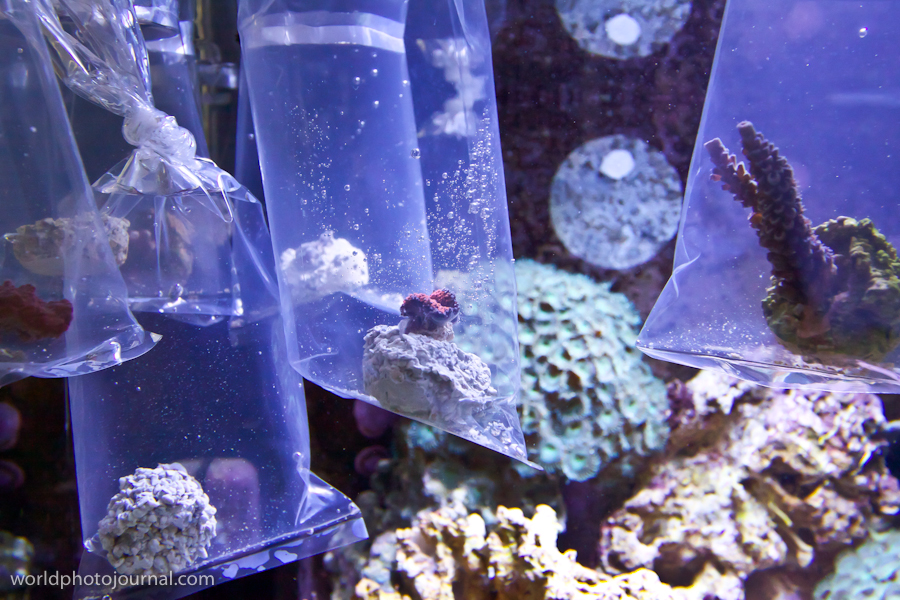
Coral Acclimatization Laboratory, Marine Research Facility
Witness the delicate process of helping corals adapt to new environments in specialized marine laboratory tanks.

This specialized marine research facility showcases the critical work of coral acclimatization—the process of gradually introducing corals to new water conditions before placement in larger reef systems. The laboratory features individual acclimation chambers where corals undergo a carefully controlled transition period. Through clear acrylic containers and precise environmental monitoring, researchers ensure that delicate coral specimens survive and thrive when moved from their source to new habitats. This behind-the-scenes look reveals the scientific dedication required to preserve coral populations and support reef restoration efforts worldwide.

Highlights

  • Individual acclimation chambers with controlled water conditions and lighting
  • Real-time observation of coral adaptation processes through clear containers
  • Advanced monitoring systems maintaining precise salinity, pH, and temperature
  • Educational displays explaining coral biology and conservation techniques
  • Active research supporting global reef restoration initiatives

What to Do

  • Observe corals in various stages of acclimatization and adaptation
  • Learn about the science of coral husbandry and marine conservation
  • Watch feeding demonstrations and coral care techniques
  • Understand the connection between acclimatization and reef restoration success
  • Discover how aquarium facilities contribute to species preservation

Best Time to Visit

Year-round, as laboratory conditions remain controlled; guided tours often available during regular business hours for maximum learning

Getting There

Located within a marine research center or advanced aquarium facility; check specific venue for public access hours and transportation options

Visitor Tips

  • Arrive early for less crowded observation times and better photography
  • Ask staff about the specific corals on display and their origin stories
  • Be respectful of research operations—quiet observation ensures accurate data collection
  • Check if guided educational tours are available for deeper insights
  • Consider visiting conservation-focused facilities that support research efforts

Nearby

  • Main aquarium exhibits featuring established reef systems
  • Research library with publications on coral science
  • Gift shop supporting conservation programs
  • Educational centers about marine biology

Visiting a coral acclimatization facility provides a unique glimpse into the meticulous science protecting our planet’s coral reefs. These laboratories represent hope for reef restoration and demonstrate humanity’s commitment to preserving one of Earth’s most vital ecosystems. Witnessing these efforts firsthand inspires appreciation for marine conservation and the interdisciplinary work required to sustain ocean health for future generations.

Location Map

Coral Acclimatization Laboratory, Marine Research Facility Read More »
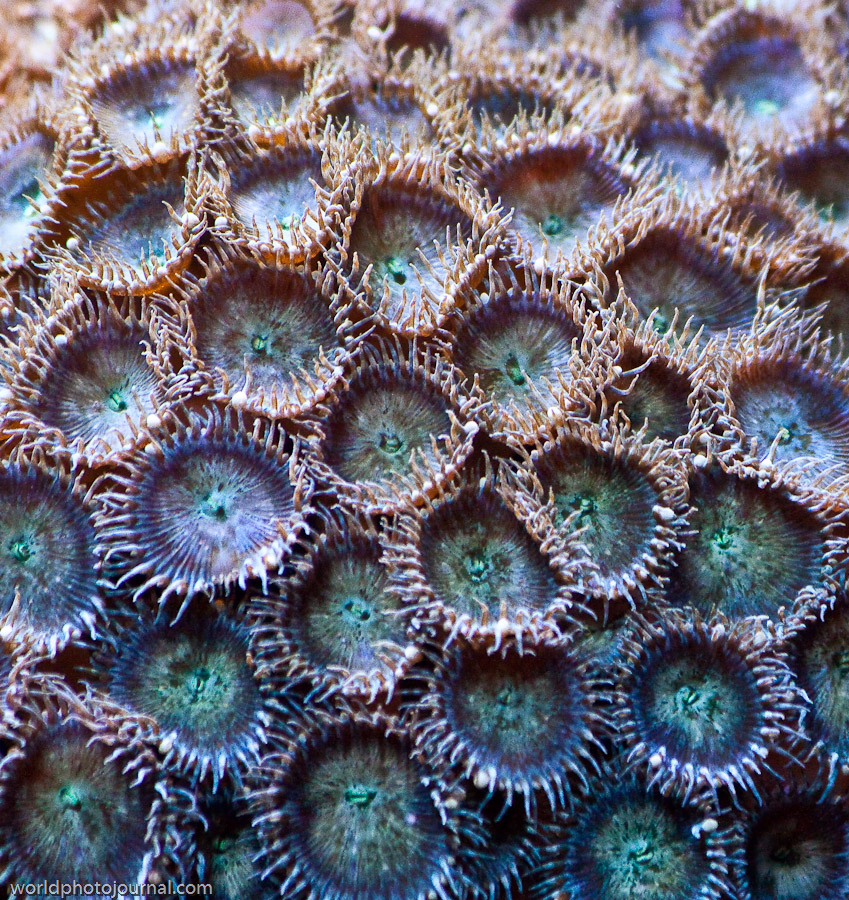
Zoanthids Coral Colony, Saltwater Aquarium

Zoanthids Coral Colony, Saltwater Aquarium
Discover the mesmerizing radial symmetry and vibrant colors of zoanthid corals in captive reef environments.

Zoanthids are small but spectacular colonial corals that have become beloved specimens in saltwater aquariums worldwide. These tiny polyps, each featuring a crown of delicate tentacles, form densely packed colonies that create stunning visual displays. With their remarkable range of fluorescent colors—from electric blues and greens to deep purples and browns—zoanthids represent some of nature’s most colorful organisms and are a favorite among reef aquarium enthusiasts and marine biologists alike.

Highlights

  • Intricate radial tentacle structures with frilly, feathery appearance
  • Vibrant fluorescent coloration under both natural and UV lighting
  • Colonial growth patterns creating dense, eye-catching formations
  • Zooxanthellae symbiosis producing brilliant color variations

What to Do

  • Observe zoanthid colonies under magnification in public aquarium displays
  • Photograph the stunning colors and fine tentacle details using macro photography
  • Learn about coral symbiosis and photosynthesis in marine biology exhibits
  • Visit reef aquarium shops to see live zoanthid specimens for sale

Best Time to Visit

Year-round in aquarium settings; best viewing during aquarium feeding times when polyps are fully extended

Getting There

Visit local public aquariums, marine centers, or specialized saltwater aquarium shops that feature live coral displays

Visitor Tips

  • Use macro lenses or magnifying equipment for detailed photography
  • Visit during morning hours when polyps are most actively extended
  • Ask aquarium staff about species identification and care requirements
  • Bring a UV light or visit during evening hours to see fluorescent colors enhanced

Nearby

  • Other soft coral displays in the same aquarium
  • Hard coral and anemone exhibits
  • Marine biology education centers
  • Reef aquascaping workshops

Zoanthid corals represent one of nature’s most accessible windows into the vibrant world of reef ecosystems. Whether you’re a seasoned aquarist, marine enthusiast, or curious visitor, observing these delicate polyps reveals the stunning complexity and beauty hidden beneath the ocean’s surface—inspiring appreciation for marine conservation and the wonders of symbiotic life.

Location Map

Zoanthids Coral Colony, Saltwater Aquarium Read More »

Scroll to Top