Beaux-Arts architecture

Milano Centrale Train Station, Milan Italy
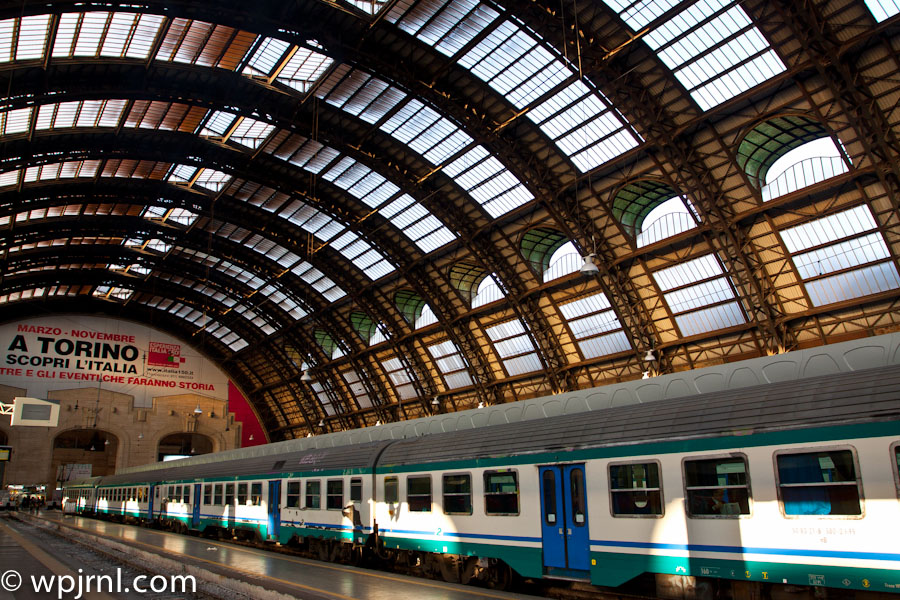
Milano Centrale Train Station, Milan Italy
A stunning Beaux-Arts masterpiece and one of Europe’s most impressive railway stations, showcasing soaring vaulted ceilings and architectural grandeur.

Milano Centrale stands as one of the most iconic railway stations in Europe, renowned for its breathtaking architecture and historical significance. Completed in 1931, this magnificent Beaux-Arts structure features distinctive arched skylights that flood the main hall with natural light, creating an atmosphere of both grandeur and elegance. The station serves as a major transportation hub connecting Milan to cities across Italy and Europe, while simultaneously functioning as a landmark attraction that captivates visitors with its engineering prowess and design.

The station’s most striking feature is its expansive vaulted ceiling with intricate wrought iron frameworks supporting banks of skylights. These distinctive curved iron and glass panels create an ethereal quality, especially when sunlight streams through them during daytime hours. The station manages millions of passengers annually while maintaining its role as a testament to early 20th-century Italian architectural achievement.

Highlights

  • Iconic arched vaulted ceiling with decorative wrought iron framework and skylights
  • 1931 Beaux-Arts architectural design representing Italian engineering excellence
  • Main hall featuring dramatic proportions and natural lighting from glass panels
  • Active transportation hub connecting Milan to major European destinations
  • Ornate interior details including sculptures, reliefs, and decorative elements

What to Do

  • Explore the main hall and admire the architectural details of the vaulted ceiling and skylights
  • Observe the vintage aesthetic while watching the modern flow of international travelers
  • Visit the commercial areas with shopping boutiques and restaurants within the station
  • Use the station as a departure point for day trips to Lake Como, Venice, or other Italian cities
  • Photograph the distinctive industrial-meets-elegant aesthetic from various angles

Best Time to Visit

Spring (April-May) and fall (September-October) offer pleasant weather and fewer crowds than summer. Morning hours provide the best natural light through the skylights, illuminating the architectural details beautifully.

Getting There

Milano Centrale is easily accessible via Milan’s public transportation network including metro lines, buses, and trams. The station itself is centrally located and serves as a major transit hub with connections throughout the city and beyond.

Visitor Tips

  • Arrive early in the day to experience optimal natural lighting through the skylights
  • Allow extra time to appreciate the architectural details and navigate the station
  • Be aware of pickpocketing in crowded areas; keep valuables secure
  • The station has shops, restaurants, and services throughout if you need to wait for a train
  • Photography is permitted; bring a camera or smartphone to capture the dramatic ceiling

Nearby

  • Duomo di Milano Cathedral – iconic Gothic landmark 15 minutes walk away
  • Galleria Vittorio Emanuele II – historic shopping arcade near the cathedral
  • La Scala Opera House – world-famous performing arts venue in central Milan
  • Castello Sforzesco – medieval fortress and art museum in the northwest district

Milano Centrale is far more than a transportation hub—it’s an architectural treasure that deserves to be experienced firsthand. Whether you’re catching a train to another Italian city or simply visiting to admire its stunning design, this station captures the essence of early 20th-century Italian grandeur. The soaring vaulted ceilings and cascading natural light create an unforgettable atmosphere that lingers long after you depart.

Location Map

Milano Centrale Train Station, Milan Italy Read More »
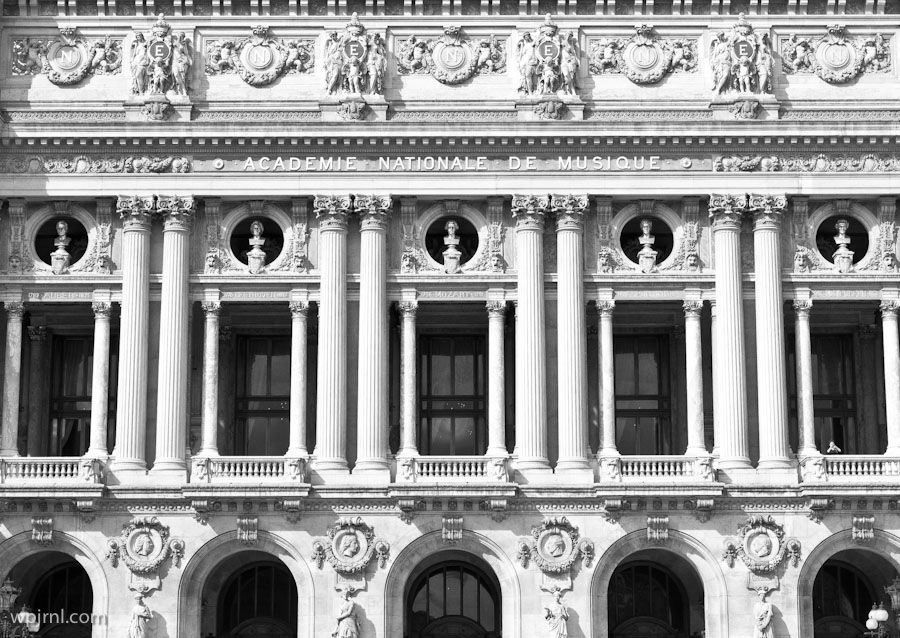
Académie Nationale de Musique, Paris France

Académie Nationale de Musique, Paris France
A stunning Beaux-Arts architectural masterpiece dedicated to France’s most prestigious music conservatory.

The Académie Nationale de Musique stands as one of Paris’s most impressive neoclassical buildings, showcasing the grandeur and cultural ambition of 19th-century France. This monumental institution, visible in this striking black-and-white photograph, represents the pinnacle of Beaux-Arts design with its ornate façade, towering Corinthian columns, and intricate sculptural details. The building’s harmonious proportions and refined ornamentation reflect the excellence expected of France’s most elite music academy.

With its commanding presence and elaborate decorative elements, the Académie Nationale de Musique has trained generations of France’s finest musicians, composers, and conductors. The building itself is a work of art, designed to inspire creativity and nurture musical talent within its prestigious halls. The photograph captures the rhythmic beauty of its columned façade, which evokes the very harmony and order that the institution seeks to cultivate.

Visitors to this landmark experience not only architectural brilliance but also a deep connection to French cultural heritage and the enduring importance France places on artistic excellence.

Highlights

  • Monumental Beaux-Arts façade with perfectly proportioned Corinthian columns and capitals
  • Ornate sculptural friezes and decorative medallions adorning the upper tiers
  • Five large arched windows set within recessed bays, creating rhythmic architectural depth
  • Intricate details including wreaths, moldings, and ornamental balustrades
  • Historic significance as France’s premier conservatory of music since the 18th century

What to Do

  • Admire the exterior architecture and photograph the stunning façade from street level
  • Attend a concert or performance if access permits during public events
  • Study the precise neoclassical proportions and decorative elements in detail
  • Explore the surrounding Garnier district with its other cultural landmarks
  • Research the institution’s rich history and notable alumni who shaped European music

Best Time to Visit

Spring and early autumn offer the best lighting for photography and pleasant weather for exploring Paris’s cultural districts. The institution hosts performances year-round.

Getting There

Located in central Paris, the Académie Nationale de Musique is accessible via Paris Metro, with multiple nearby stations. The building is situated in a historic area easily reached on foot from major attractions.

Visitor Tips

  • Check ahead for public concert schedules and performance opportunities at the academy
  • Visit early morning for the best natural light to photograph the façade
  • Respect building access restrictions; observe from the street unless attending an event
  • The surrounding neighborhood offers excellent cafés and galleries to explore
  • Bring a wide-angle lens or stand back to capture the full architectural grandeur

Nearby

  • Palais Garnier (Opera House), Paris
  • Musée Grévin (Wax Museum), Paris
  • Boulevard des Capucines, Paris

The Académie Nationale de Musique stands as a testament to France’s unwavering commitment to artistic excellence and cultural refinement. Whether you’re an architecture enthusiast, music lover, or cultural traveler, this magnificent building deserves a place on your Paris itinerary. Stand before its soaring columns and ornate details, and you’ll understand why this institution has remained a beacon of musical achievement for centuries.

Location Map

Académie Nationale de Musique, Paris France Read More »

Scroll to Top