Rangitoto Island, Hauraki Gulf Auckland New Zealand

Rangitoto Island, Hauraki Gulf Auckland New Zealand
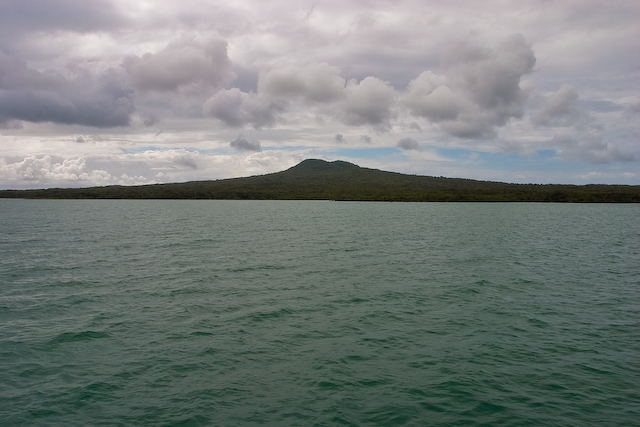
An iconic volcanic island rising symmetrically from the waters of Auckland’s Hauraki Gulf, offering wild beauty just a ferry ride from the city.

Rangitoto Island is the youngest and largest of Auckland’s volcanic cones, having emerged from the sea in a series of eruptions roughly 600 years ago. Its perfectly symmetrical silhouette is one of the most recognisable landmarks of the Auckland skyline, visible from countless beaches, suburbs and harbour viewpoints across the region.

Despite its proximity to New Zealand’s largest city, Rangitoto feels remarkably untouched. The island is a pest-free scenic reserve covered in the world’s largest pōhutukawa forest, with rugged lava fields, lava caves and hidden coastal coves. A short ferry ride from downtown Auckland delivers visitors to a landscape that feels worlds away from urban life.

Climbing to the summit rewards hikers with a sweeping 360-degree panorama across the Hauraki Gulf, the city skyline and neighbouring islands — a quintessential Auckland experience that combines natural drama with easy accessibility.

Highlights

  • Iconic symmetrical volcanic cone — the youngest volcano in the Auckland field
  • Summit walk with panoramic views over Auckland and the Hauraki Gulf
  • Lava caves, black rock fields and the world’s largest pōhutukawa forest
  • Pest-free island sanctuary with native birdlife and unique flora
  • Historic WWII military installations and rustic bach (holiday hut) settlements

What to Do

  • Hike the Summit Track (about 1 hour each way) to the crater rim and lookout
  • Explore the lava caves with a torch — a short detour from the main track
  • Take the road train tour to the summit if you prefer a relaxed visit
  • Kayak from Auckland’s St Heliers or Mission Bay to the island for an adventurous arrival
  • Picnic at Islington Bay or swim at Rangitoto Wharf on a calm day

Best Time to Visit

Late spring to early autumn (November to April) offers warm, dry weather ideal for hiking, with the bonus of crimson pōhutukawa blooms in December.

Getting There

Fullers360 ferries depart daily from Auckland’s downtown Ferry Terminal and reach Rangitoto in about 25 minutes. Private boats and guided kayak tours are also popular options.

Visitor Tips

  • Wear sturdy shoes — the lava rock terrain is sharp and uneven
  • Bring plenty of water, sunscreen and a hat; there’s no shop on the island
  • Check ferry timetables carefully and don’t miss the last return sailing
  • Carry a torch if you plan to explore the lava caves
  • Help keep the island pest-free by checking your bag for stowaways before boarding

Nearby

  • Motutapu Island (connected by causeway to Rangitoto)
  • Devonport village and North Head historic reserve
  • Waiheke Island vineyards
  • Auckland Harbour Bridge and Viaduct waterfront

Whether you tackle the summit climb, paddle across the gulf or simply admire its silhouette from an Auckland beach, Rangitoto is an unforgettable encounter with the volcanic forces that shaped New Zealand’s largest city. Add it to your Auckland itinerary — you’ll understand why it captivates locals and travellers alike.

Location Map

Rangitoto Island, Hauraki Gulf Auckland New Zealand Read More »
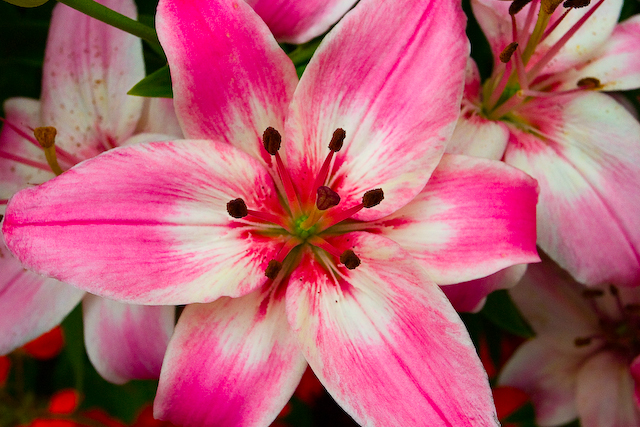
Pink Asiatic Lily Bloom, Botanical Garden Nature Photography

Pink Asiatic Lily Bloom, Botanical Garden Nature Photography

A breathtaking macro view of a vibrant pink Asiatic lily in full bloom, showcasing nature’s intricate floral artistry.

The Asiatic lily is one of the most striking flowers found in botanical gardens around the world, prized for its bold colors, elegant form, and graceful petals. This stunning specimen, captured in glorious close-up, displays the signature pink-and-white gradient that makes Asiatic lilies a favorite among gardeners and photographers alike.

With its six dramatically curved petals radiating outward from a green star-shaped center, and prominent stamens tipped with rich burgundy anthers, this flower exemplifies the perfect symmetry that nature so often achieves. Botanical gardens worldwide cultivate these blooms for visitors to admire during peak summer months.

Whether you’re a flower enthusiast, a budding photographer, or simply someone seeking a moment of natural beauty, encountering a lily like this is a memorable experience that connects you with the quiet wonder of the plant kingdom.

Highlights

  • Vibrant pink and white petal gradient with deep magenta veins
  • Striking burgundy anthers contrasting against pale stamens
  • Perfect six-petal symmetry typical of Asiatic lilies
  • Lush green foliage providing natural backdrop

What to Do

  • Take macro photographs to capture intricate petal details
  • Stroll through themed flower beds and seasonal displays
  • Attend guided horticultural tours to learn about lily varieties
  • Visit during summer flowering season for peak blooms

Best Time to Visit

Late spring through midsummer (June to August) when Asiatic lilies are in full bloom and gardens are at their most colorful.

Getting There

Most botanical gardens are accessible by public transport, car, or guided tours. Check local visitor centers for specific directions and parking information.

Visitor Tips

  • Bring a camera with a macro lens for close-up flower photography
  • Visit early morning for the best lighting and fewer crowds
  • Wear comfortable walking shoes for exploring extensive garden paths
  • Check seasonal bloom calendars before planning your visit

Nearby

  • Local arboretums and conservatories
  • Nature trails and parks
  • Garden cafes and visitor centers

Whether you’re a passionate gardener or simply seeking serenity in nature’s beauty, witnessing the bold elegance of a pink Asiatic lily in full bloom is a small but unforgettable joy. Plan your visit to a nearby botanical garden and discover the magic that flowers like these bring to our world.

Location Map

Pink Asiatic Lily Bloom, Botanical Garden Nature Photography Read More »

Tropical Water Lily Garden, Botanical Conservatory

Tropical Water Lily Garden, Botanical Conservatory

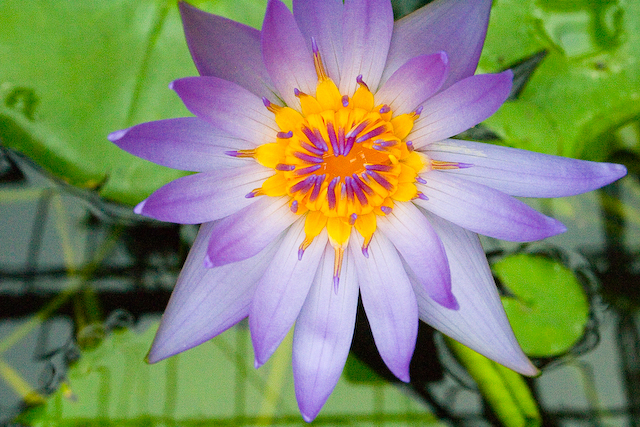
A mesmerizing violet water lily blooms in vivid splendor, embodying the serene beauty of tropical aquatic gardens.

Few sights in the natural world rival the ethereal beauty of a violet water lily in full bloom. With its star-shaped lavender petals radiating outward from a brilliant golden-yellow center, this aquatic flower captures the essence of tropical tranquility. Floating gracefully atop still pond waters and surrounded by broad, glossy lily pads, the bloom seems almost otherworldly.

Water lily gardens and tropical conservatories around the world cultivate these stunning flowers, offering visitors a peaceful escape into a world of color, reflection, and quiet contemplation. Whether viewed in a humid greenhouse in Europe or in an open-air pond in Southeast Asia, the violet water lily — often a Nymphaea hybrid — never fails to enchant.

Highlights

  • Spectacular violet petals with golden saffron-colored stamens at the center
  • Reflective pond waters surrounded by lush green lily pads
  • A perfect destination for photographers and nature lovers

What to Do

  • Stroll along boardwalks and observe water lilies in full bloom
  • Photograph the vibrant blossoms in soft morning light
  • Learn about aquatic plant ecology from on-site guides or signage

Best Time to Visit

Late spring through early autumn, when water lilies are in peak bloom under warm sunlight.

Getting There

Most botanical gardens are easily reached by city transport, taxi, or car, with parking and visitor centers on-site.

Visitor Tips

  • Visit early in the morning when blooms are freshly open
  • Bring a macro lens for stunning close-up photography
  • Stay on designated paths to protect delicate aquatic ecosystems

Nearby

  • Tropical greenhouse with orchids and exotic flora
  • Japanese-style koi ponds and tea pavilions

A visit to a tropical water lily garden is more than sightseeing — it’s a moment of stillness, color, and wonder. Let the violet bloom remind you of the quiet magic that nature offers to those who pause and look closely.

Location Map

Tropical Water Lily Garden, Botanical Conservatory Read More »

Colorful Beaded Necklaces at Otavalo Craft Market, Ecuador

Colorful Beaded Necklaces at Otavalo Craft Market, Ecuador

A kaleidoscope of handcrafted beaded necklaces awaits at one of South America’s most vibrant indigenous markets.

Tucked high in the Ecuadorian Andes, the Otavalo Market is a feast for the senses, where strands upon strands of colorful beaded necklaces — known locally as ‘collares’ — cascade from market stalls in dazzling rainbows. These traditional adornments are crafted by the Otavaleño people, an indigenous Kichwa community renowned for centuries of textile and jewelry artistry.

Each necklace tells a story: the deep reds, turquoise blues, emerald greens, and amethyst purples reflect both ancestral symbolism and modern flair. Whether worn as everyday accessories by Otavaleña women or sold as treasured souvenirs to travelers, these beads embody the spirit of Ecuador’s craft heritage.

Visiting the market is more than shopping — it’s stepping into a living tradition where bargaining, conversation, and cultural exchange flow as freely as the colors themselves.

Highlights

  • Hundreds of handmade beaded necklaces in every imaginable color
  • Traditional Otavaleño indigenous craftsmanship passed down through generations
  • Plaza de los Ponchos, the heart of the famous Saturday market
  • Opportunity to meet local artisans and learn about their techniques

What to Do

  • Browse the sprawling Plaza de los Ponchos for textiles, jewelry, and crafts
  • Practice your Spanish bargaining skills with friendly vendors
  • Visit nearby Peguche Waterfall for a scenic nature break
  • Sample local Andean cuisine at the food stalls around the market
  • Photograph the vivid colors and cultural scenes (always ask permission first)

Best Time to Visit

Saturdays year-round when the market reaches its peak, ideally during Ecuador’s dry season from June to September.

Getting There

Otavalo is about 2 hours by bus or car from Quito, Ecuador’s capital. Frequent buses depart from Quito’s Carcelén terminal, or you can hire a private driver or join a guided day tour.

Visitor Tips

  • Bring small bills in US dollars — Ecuador’s official currency — for easier transactions
  • Bargaining is expected, but always do so respectfully
  • Arrive early in the morning for the best selection and fewer crowds
  • Wear layers; the Andean highlands can be chilly even on sunny days

Nearby

  • Peguche Waterfall and sacred Kichwa site
  • Cuicocha Crater Lake
  • Cotacachi, famous for leather goods
  • Lake San Pablo with views of Imbabura Volcano

Whether you’re a collector of artisan jewelry, a culture enthusiast, or simply a traveler in search of color and connection, Otavalo Market offers an unforgettable window into Ecuador’s indigenous soul. Slip on a strand of beads, share a smile with an artisan, and carry home a piece of the Andes.

Colorful Beaded Necklaces at Otavalo Craft Market, Ecuador Read More »

Orchard Road Christmas Light-Up, Singapore

Orchard Road Christmas Light-Up, Singapore
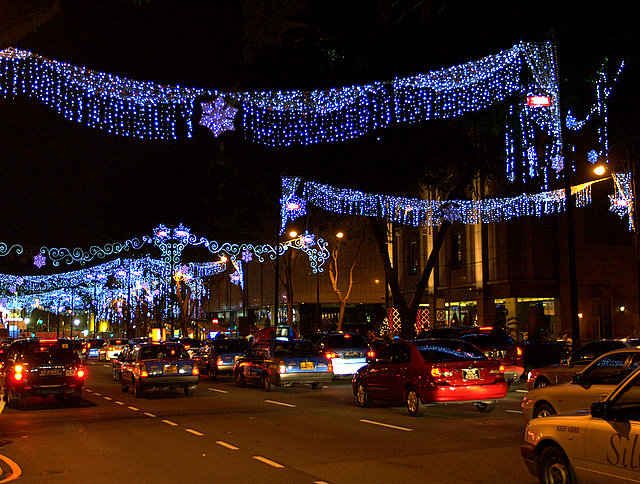
Singapore’s iconic shopping boulevard transforms into a dazzling canopy of Christmas lights every festive season.

Every year from mid-November through early January, Singapore’s most famous shopping street, Orchard Road, lights up in a spectacular Christmas display that draws locals and tourists alike. Glittering arches, themed installations, and millions of LED lights stretch across the 2.2-kilometer stretch, turning an already vibrant retail corridor into a festive wonderland.

The Orchard Road Christmas Light-Up is one of Asia’s longest-running and largest street decoration events, dating back to 1984. Each year features a different theme, with shopping malls competing to outdo each other with elaborate displays, photo-worthy installations, and bustling Christmas markets. The atmosphere is electric, with crowds strolling beneath the dazzling canopy, traffic creeping past sparkling facades, and a tropical Christmas spirit unique to Singapore.

Highlights

  • Over 2 km of Orchard Road draped in millions of festive LED lights
  • Annual themed displays with creative installations outside major malls
  • Christmas markets, pop-ups, and festive performances along the strip
  • A vibrant night-time atmosphere perfect for photography

What to Do

  • Stroll the full length of Orchard Road from Tanglin to Plaza Singapura to admire all the displays
  • Shop for festive deals at ION Orchard, Takashimaya, Paragon, and Wisma Atria
  • Visit the Christmas market at Tanglin Mall for festive treats and gifts
  • Capture the vibrant lights from a top-deck open-air bus or rooftop bar

Best Time to Visit

Mid-November to early January, with the lights typically switched on around 7 PM. Weekday evenings are less crowded than weekends.

Getting There

Take the MRT to Orchard, Somerset, or Dhoby Ghaut stations on the North-South Line. Numerous buses also run along Orchard Road, and taxis are widely available.

Visitor Tips

  • Visit on a weekday evening to avoid the heaviest crowds
  • Wear comfortable shoes — the full stretch is over 2 km long
  • Bring a camera or phone with good low-light capability for stunning night shots
  • Singapore is hot and humid year-round, so dress in light, breathable clothing

Nearby

  • ION Orchard shopping mall and observation deck
  • Emerald Hill heritage shophouses
  • Istana (Singapore’s presidential residence)
  • Dhoby Ghaut and Fort Canning Park

Whether you’re a shopper, a photographer, or simply chasing festive cheer in the tropics, the Orchard Road Christmas Light-Up offers a magical, only-in-Singapore experience that captures the city’s blend of cosmopolitan sparkle and warm holiday spirit. Don’t miss it on your next December visit.

Location Map

Orchard Road Christmas Light-Up, Singapore Read More »

Zermatt Village and the Matterhorn, Swiss Alps Switzerland

Zermatt Village and the Matterhorn, Swiss Alps Switzerland

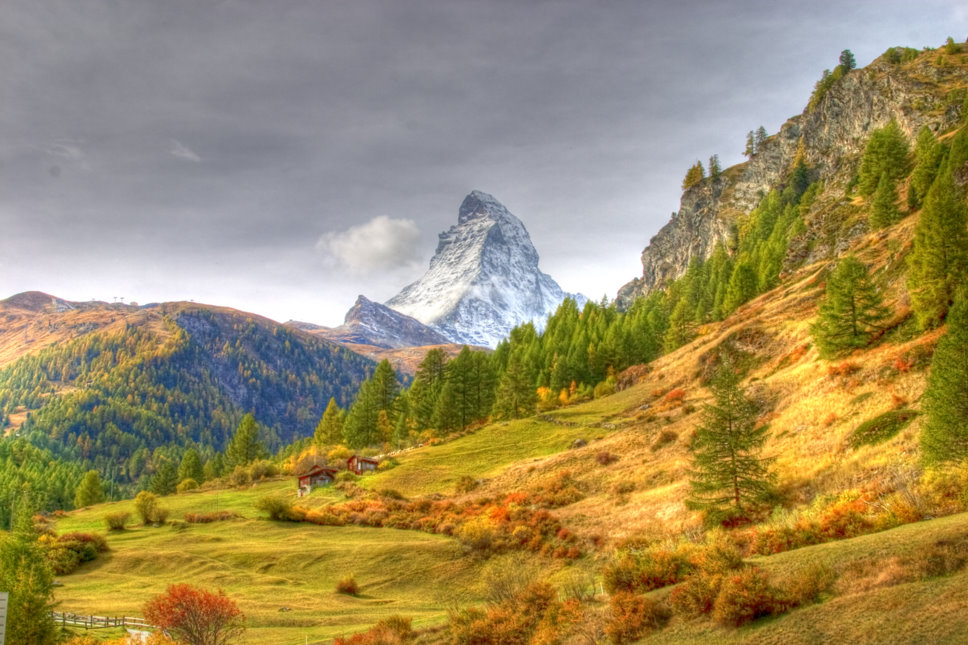
A storybook alpine village beneath the iconic pyramid peak of the Matterhorn, where autumn larches glow gold against snow-dusted summits.

Tucked into a high valley in the Swiss canton of Valais, Zermatt is one of the most celebrated mountain villages in the world. Car-free streets, weathered timber chalets, and flower-filled meadows sit at the foot of the legendary Matterhorn — that unmistakable, near-perfect pyramid of rock and ice rising to 4,478 meters.

In autumn, the surrounding larch forests turn brilliant shades of gold and amber, painting the hillsides in fiery contrast to the snow-capped peaks above. In every season, Zermatt offers a rare blend of refined alpine hospitality, world-class outdoor adventure, and panoramic scenery that has inspired travelers, mountaineers, and artists for over 150 years.

Whether you arrive in winter for some of Europe’s finest skiing or in summer and autumn for hiking the legendary trails, Zermatt feels like stepping into a postcard that somehow surpasses the photograph.

Highlights

  • Unobstructed views of the iconic Matterhorn (Cervin) from nearly every corner of the village
  • Car-free streets where electric taxis and horse-drawn carriages replace traffic
  • Glowing autumn larch forests and wildflower meadows in summer
  • Access to the Gornergrat railway and the highest cable car in Europe at Klein Matterhorn

What to Do

  • Ride the Gornergrat cogwheel railway up to 3,089m for a sweeping panorama of 29 peaks above 4,000m
  • Hike the famous Five Lakes Walk (5-Seenweg), where the Matterhorn is mirrored in alpine tarns
  • Ski or snowboard the Matterhorn Glacier Paradise — Europe’s highest ski area, open year-round
  • Visit the Matterhorn Museum to learn about the dramatic 1865 first ascent
  • Enjoy fondue or raclette in a traditional chalet restaurant in the old village (Hinterdorf)

Best Time to Visit

Late June to September for hiking and wildflowers, October for golden larches, and December to April for world-class skiing and snowboarding.

Getting There

Zermatt is car-free. Drive or take the train to Täsch, then transfer to the 12-minute shuttle train into Zermatt. The scenic Glacier Express also connects Zermatt with St. Moritz, while Geneva and Zurich airports both offer direct rail connections (3-4 hours).

Visitor Tips

  • Book accommodation well in advance, especially during peak ski season and summer holidays
  • Buy a Peak Pass or Zermatt Travel Pass for unlimited use of cable cars and mountain railways
  • Pack layers — alpine weather can change quickly even in summer
  • For the best Matterhorn photos, head out at sunrise when the peak glows pink (alpenglow)

Nearby

  • Gornergrat viewpoint and observatory
  • Sunnegga and the Five Lakes hiking trail
  • Täsch gateway village
  • Saas-Fee, another stunning car-free alpine resort
  • Aosta Valley, Italy — accessible via the Matterhorn Glacier Ride

Zermatt is more than a destination — it is a feeling of awe rekindled at every turn. Stand once beneath the Matterhorn at golden hour, and you’ll understand why generations of travelers keep returning to this magical corner of the Swiss Alps.

Location Map

Zermatt Village and the Matterhorn, Swiss Alps Switzerland Read More »

Scroll to Top