travel

travel photos

The Westin Kuala Lumpur Hotel Executive Lounge, Malaysia

The Westin Kuala Lumpur Hotel Executive Lounge, Malaysia
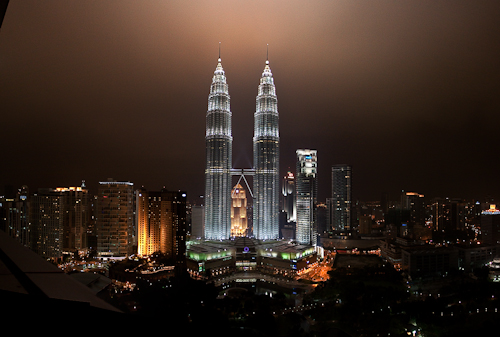
A luxury hotel featuring a sophisticated executive lounge with stunning panoramic views of the iconic Kuala Lumpur skyline and KL Tower.

The Westin Kuala Lumpur stands as a premier luxury destination in Malaysia’s vibrant capital, offering guests an exceptional experience from its elegant rooms to its exclusive executive lounge. The hotel combines modern sophistication with warm Malaysian hospitality, providing a perfect base for both business and leisure travelers. The executive lounge, in particular, offers privileged access to premium amenities and breathtaking vistas of the city’s most recognizable landmarks.

Highlights

  • Panoramic views of Kuala Lumpur Tower and city skyline from floor-to-ceiling windows
  • Executive lounge with complimentary breakfast service featuring fresh tropical fruits and refreshments
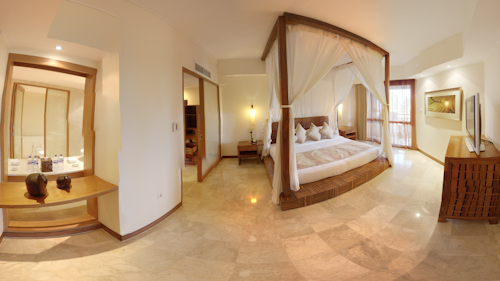
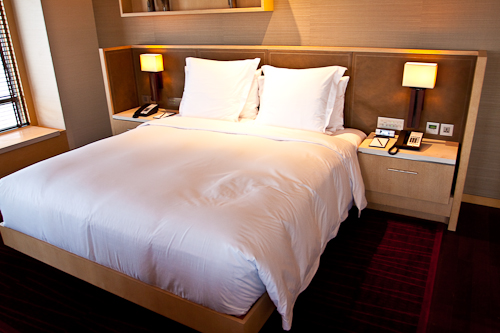
  • Luxurious accommodations with contemporary design and comfort-focused amenities
  • Strategic location in the heart of Kuala Lumpur’s business and shopping districts

What to Do

  • Enjoy breakfast in the executive lounge while taking in iconic city views
  • Visit the nearby Petronas Twin Towers and Kuala Lumpur Tower
  • Explore Bukit Bintang shopping and entertainment district
  • Relax in the hotel’s spa and wellness facilities
  • Dine at the hotel’s multiple on-site restaurants and bars

Best Time to Visit

November to February offers cooler, drier weather perfect for enjoying the views from the lounge. Avoid the monsoon season from May to September.

Getting There

The hotel is centrally located in Kuala Lumpur’s Golden Triangle district, easily accessible via taxi, ride-sharing apps, or the Kuala Lumpur Monorail system.

Visitor Tips

  • Book a room with lounge access to maximize the breakfast experience and skyline views
  • Arrive early at breakfast to secure the best window seating
  • The lounge offers evening drinks and snacks—ideal for unwinding after exploring the city
  • The hotel’s location puts major attractions within 10-15 minutes by car or public transport

Nearby

  • Petronas Twin Towers, Kuala Lumpur
  • Kuala Lumpur Tower (Menara KL)
  • Bukit Bintang Shopping District
  • Pavilion KL Mall
  • Berjaya Times Square

Discover the perfect blend of luxury and convenience at The Westin Kuala Lumpur, where world-class service meets unforgettable city views. Whether you’re visiting for business or pleasure, the executive lounge experience—complete with fresh tropical breakfast and panoramic skyline vistas—will make your stay in Malaysia’s vibrant capital truly memorable.

Location Map

The Westin Kuala Lumpur Hotel Executive Lounge, Malaysia Read More »

Tanah Lot Temple, Coastal Landmark Bali Indonesia

Tanah Lot Temple, Coastal Landmark Bali Indonesia
An iconic sea temple perched on a dramatic rocky outcrop, offering breathtaking sunset views and spiritual significance.

Tanah Lot is one of Bali’s most recognizable landmarks, a stunning Hindu temple situated on a large rock formation jutting into the Indian Ocean. The name ‘Tanah Lot’ translates to ‘Land in the Sea,’ perfectly describing this mystical sanctuary that has captivated visitors for centuries. Built in the 16th century, the temple is believed to be guarded by sea snakes and serves as an important place of worship for local Balinese Hindus. The dramatic setting, with crashing waves and towering cliffs, creates an almost otherworldly atmosphere that combines natural beauty with spiritual reverence.

The temple’s unique position makes it accessible only during low tide, adding to its allure and mystique. Visitors can explore the surrounding beach area, wander through nearby caves, and witness traditional ceremonies. The interplay of light, shadow, and seawater creates stunning photography opportunities throughout the day, but the golden hour before sunset is particularly magical when the sky transforms into a canvas of warm hues.

Highlights

  • The main temple structure perched dramatically on the rocky outcrop with lush vegetation
  • Stunning sunset views with dramatic cloud formations and golden light reflecting on the ocean
  • Accessible caves at the base containing freshwater springs believed to have healing properties
  • Traditional Hindu ceremonies and spiritual atmosphere that define Balinese culture
  • Sandy beach area perfect for photography and observation during low tide

What to Do

  • Watch the sunset from the beach or elevated viewpoints for spectacular photography opportunities
  • Explore the temple grounds during low tide and visit the inner sanctuaries
  • Discover the sea caves with freshwater springs and experience the local spiritual practices
  • Attend a traditional Hindu ceremony to witness authentic Balinese religious rituals
  • Enjoy beachside dining at nearby restaurants and warungs with ocean views
  • Capture dramatic landscape photographs with the temple, cliffs, and dramatic sky as focal points

Best Time to Visit

Visit during the dry season (April to October) for clearer skies and better photography conditions. The golden hour before sunset offers the most spectacular lighting and clouds. Visit during low tide to access the temple grounds and caves safely.

Getting There

Tanah Lot is located in the Tabanan Regency, approximately 20 km from Denpasar. Visitors can rent a car with a driver, take a guided tour from major Bali towns, or use ride-sharing services. It takes about 1-1.5 hours to reach from central Bali.

Visitor Tips

  • Check tide times before visiting—low tide is essential for accessing the temple and cave areas safely
  • Wear appropriate clothing as the temple is an active place of worship; cover shoulders and knees
  • Bring water and sun protection as there is limited shade on the beach
  • Visit in late afternoon to experience the best lighting for photography and the dramatic sunset
  • Respect local customs and spiritual practices; do not disturb worshippers or ceremonies
  • The area can be crowded during peak tourist hours; consider early morning or off-peak times for a quieter experience

Nearby

  • Jatiluwih Rice Terraces—UNESCO World Heritage site with stunning agricultural landscapes
  • Bedugul Botanical Garden—tropical gardens with scenic lake views
  • Pura Luhur Batukaru—ancient mountain temple with spiritual significance
  • Bali Swing—thrilling swings suspended over jungle valleys

Tanah Lot represents the perfect fusion of natural wonder and spiritual significance that makes Bali so enchanting. Whether you’re seeking dramatic landscape photography, cultural experiences, or simply a moment of tranquility by the sea, this iconic temple delivers an unforgettable experience. Plan your visit to witness the sun escaping through dramatic clouds above this sacred landmark, and let the magic of Bali’s most captivating coastal temple touch your soul.

Location Map

Tanah Lot Temple, Coastal Landmark Bali Indonesia Read More »

Beijing National Stadium (Bird’s Nest), Beijing China

Beijing National Stadium (Bird's Nest), Beijing China
An iconic architectural masterpiece and symbol of modern China’s ambitious Olympic vision.

The Beijing National Stadium, affectionately known as the ‘Bird’s Nest’ for its distinctive woven steel structure, stands as one of the world’s most recognizable sports venues. Built for the 2008 Summer Olympics, this architectural marvel was designed by Swiss architects Herzog & de Meuron in collaboration with Chinese architect Li Xinggang. The stadium’s intricate lattice design creates a stunning visual effect, especially when illuminated at night, and represents a bold fusion of contemporary engineering with artistic vision. Today, it remains one of Beijing’s most visited attractions, drawing millions of visitors annually who come to marvel at its innovative design and learn about China’s hosting of the historic 2008 Olympics.

Highlights

  • Iconic woven steel structure inspired by traditional Chinese ceramics, creating a bird’s nest appearance
  • Capacity of 80,000 spectators with advanced engineering and architectural innovation
  • Expansive plaza surrounding the stadium offering perfect photo opportunities and views from all angles
  • Modern lighting system that transforms the structure into a glowing beacon at night

What to Do

  • Tour the interior of the stadium to learn about Olympic history and sporting achievements
  • Walk around the vast plaza at different times of day to capture the changing light and architectural details
  • Visit the nearby China National Stadium Exhibition to explore interactive exhibits about the 2008 Olympics
  • Photograph the distinctive lattice design from various vantage points throughout the surrounding area
  • Explore the Olympic Green Park complex and visit adjacent cultural attractions

Best Time to Visit

Spring (April-May) and autumn (September-October) offer the most pleasant weather with clear skies and comfortable temperatures ideal for exploring the outdoor plaza and photography.

Getting There

Easily accessible via Beijing’s metro system (Line 8,奥体中心/Olympic Sports Centre station). Located in the Olympic Green area in northern Beijing, approximately 15 km from the city center. Taxis and ride-sharing services are readily available.

Visitor Tips

  • Arrive early morning or late afternoon for the best lighting and fewer crowds for photography
  • Wear comfortable shoes as exploring the expansive plaza involves significant walking
  • Check ahead for any special events or closures that might affect access
  • Bring sunscreen and water, as the plaza offers minimal shade
  • Consider visiting during evening hours when the stadium’s lighting creates a spectacular sight

Nearby

  • Water Cube (China National Aquatics Centre)
  • Olympic Forest Park
  • China National Stadium Exhibition
  • Beijing National Convention Centre

The Bird’s Nest is more than just a sports stadium—it’s a testament to human creativity, engineering prowess, and China’s transformation on the world stage. Whether you’re an architecture enthusiast, Olympic history buff, or simply a curious traveler, this iconic landmark offers an unforgettable experience. Stand in the vast plaza, gaze up at the intricate steel lattice, and feel the energy of one of the world’s most remarkable architectural achievements.

Location Map

Beijing National Stadium (Bird’s Nest), Beijing China Read More »

Las Condes Neighborhood, Santiago de Chile

Las Condes Neighborhood, Santiago de Chile
Experience dramatic sunsets over Chile’s modern skyline in the upscale neighborhood of Las Condes.

Las Condes is one of Santiago’s most prestigious and modern neighborhoods, known for its gleaming high-rise buildings, sophisticated dining scene, and vibrant urban landscape. Nestled against the backdrop of the Andes Mountains, this affluent district showcases contemporary architecture alongside tree-lined streets and parks. The neighborhood offers stunning vistas, particularly during sunset when the sky ignites in brilliant shades of orange, pink, and gold, creating an unforgettable natural display over the city’s impressive skyline.

Highlights

  • Dramatic sunset views over the modern skyline and Andes Mountains
  • Contemporary architecture and upscale residential high-rises
  • World-class restaurants, boutiques, and shopping centers
  • Well-maintained parks and green spaces throughout the neighborhood
  • Proximity to major cultural attractions and business districts

What to Do

  • Catch the sunset from a rooftop bar or viewpoint to witness the sky’s fiery transformation
  • Explore high-end restaurants and cafes featuring international and Chilean cuisine
  • Visit nearby museums and cultural centers including the Chilean Museum of Contemporary Art
  • Shop at upscale malls and boutique stores along Avenida Apoquindo
  • Enjoy evening walks through landscaped parks and plazas

Best Time to Visit

Year-round, though spring (September-November) and autumn (March-May) offer the most spectacular sunset displays with clearer skies. Summer (December-February) evenings are warm and pleasant for outdoor activities.

Getting There

Las Condes is easily accessible via Santiago’s Metro system (Lines 1 and 6), buses, or taxis. The neighborhood is centrally located within the metropolitan area, approximately 15-20 minutes from downtown Santiago.

Visitor Tips

  • Position yourself at a high vantage point or rooftop venue 30 minutes before sunset for optimal viewing
  • The air quality can affect sunset visibility; check local conditions beforehand
  • Bring a camera to capture the vivid colors and dramatic cloud formations
  • Many rooftop bars and restaurants offer sunset specials and viewing areas
  • Evening traffic can be heavy; plan your arrival time accordingly

Nearby

  • Parque Arauco shopping mall
  • Chilean Museum of Contemporary Art (MAC)
  • Cerro San Cristóbal viewpoint
  • Lastarria cultural neighborhood
  • Downtown Santiago (Centro)

Las Condes represents the modern face of Santiago, where contemporary urban sophistication meets natural beauty. The neighborhood’s stunning sunsets—painted across the sky in brilliant crimson and gold—offer a magical experience that perfectly captures the essence of Chile’s dynamic capital. Whether you’re dining at an upscale restaurant or simply standing in awe of nature’s daily spectacle, Las Condes invites you to witness the extraordinary beauty of Santiago at its most enchanting hour.

Location Map

Las Condes Neighborhood, Santiago de Chile Read More »

Forbidden City Palace Complex, Beijing China

Forbidden City Palace Complex, Beijing China
An awe-inspiring imperial palace where centuries of Chinese history unfolds beneath dramatic skies.

The Forbidden City stands as one of the world’s most magnificent architectural achievements and the largest palace complex ever built. Located in the heart of Beijing, this vast imperial residence served as home to Chinese emperors for nearly 500 years, from the Ming Dynasty through the Qing Dynasty. With nearly 1,000 buildings arranged across 180 acres, the Forbidden City represents the pinnacle of Chinese architectural and artistic mastery, blending harmony with nature, feng shui principles, and imperial grandeur.

The complex is a masterpiece of symmetry and balance, featuring ornate red walls, golden-glazed roofs, and intricate courtyards that transport visitors back to imperial times. The name ‘Forbidden City’ reflects its historical exclusivity—for centuries, only the emperor, his family, and selected officials were permitted entry, making it one of history’s most exclusive destinations.

Today, the Forbidden City welcomes millions of visitors annually, offering an unparalleled glimpse into China’s imperial past and the sophisticated lifestyle of the ruling dynasty.

Highlights

  • Hall of Supreme Harmony (Taihedian) – The largest hall where emperors held court and major ceremonies took place
  • Intricate courtyards and gardens showcasing traditional Chinese landscape design and artistic elements
  • Golden-tiled roofs and ornate decorative details representing imperial power and celestial symbolism
  • Museum collections featuring imperial artifacts, calligraphy, paintings, and precious antiques
  • The dramatic interplay of light and weather creating mystical atmospheres throughout the complex

What to Do

  • Explore the three main halls and learn about imperial governance and court rituals
  • Wander through private quarters and imperial gardens to understand daily palace life
  • Visit the Palace Museum galleries displaying treasures from various dynasties
  • Photograph the stunning architecture with its distinctive red walls and golden accents
  • Experience the authentic atmosphere that has captivated visitors for centuries

Best Time to Visit

Spring (April-May) and autumn (September-October) offer pleasant weather, clear skies, and comfortable temperatures for exploring. Avoid peak summer heat and winter cold, though winter can provide dramatic cloud formations like those in this photo.

Getting There

The Forbidden City is centrally located in Beijing and easily accessible by public transportation. Take the Metro to Tiananmen East or Tiananmen West stations (Lines 1 or 2), or take buses that stop near the main entrances. Taxis and ride-sharing services are also readily available.

Visitor Tips

  • Arrive early morning to beat crowds and enjoy better lighting for photography
  • Wear comfortable walking shoes as the complex covers vast distances
  • Purchase tickets online in advance to skip queues and secure entry times
  • Consider hiring a guide or renting an audio guide for deeper historical context
  • Bring water and sun protection; there is limited shade throughout the grounds

Nearby

  • Tiananmen Square – The world’s largest public plaza adjacent to the Forbidden City
  • Temple of Heaven – Another magnificent imperial complex with stunning architecture
  • National Museum of China – Comprehensive museum showcasing Chinese art and history
  • Jingshan Park – Hilltop park offering panoramic views of the Forbidden City

The Forbidden City remains a testament to human ambition, artistic achievement, and cultural heritage. Standing within its walls, beneath dramatic Beijing skies, you are transported across centuries to experience the grandeur and complexity of imperial China. Whether you’re a history enthusiast, architecture lover, or simply seeking to understand one of humanity’s greatest civilizations, the Forbidden City delivers an unforgettable journey that will inspire and enlighten every visitor who crosses its threshold.

Location Map

Forbidden City Palace Complex, Beijing China Read More »

Mutianyu Section, Great Wall of China, Beijing

Mutianyu Section, Great Wall of China, Beijing
A stunning and less-crowded section of the Great Wall offering breathtaking mountain views and authentic Ming Dynasty architecture.

The Mutianyu section of the Great Wall of China stands as one of the most scenic and well-preserved portions of this legendary fortification. Located in the Huairou District north of Beijing, Mutianyu stretches across dramatic mountainous terrain, featuring 22 watchtowers connected by carefully restored stone walls that wind through dense forests and verdant valleys. Unlike the more heavily trafficked Badaling section, Mutianyu offers visitors a more intimate and authentic experience of this UNESCO World Heritage Site, combining natural beauty with historical significance.

Built during the Ming Dynasty (1368-1644), Mutianyu was strategically positioned to protect the capital from northern invasions. The section is renowned for its excellent preservation and the harmonious integration of the wall with its surrounding landscape. Visitors are treated to panoramic vistas of the wall snaking across forested ridges, ancient watchtowers standing sentinel over the valleys, and the seasonal transformations that paint the mountains in different hues throughout the year.

Whether visiting in winter’s serene silence or summer’s lush abundance, Mutianyu delivers an unforgettable journey through centuries of history and across some of northern China’s most compelling natural scenery.

Highlights

  • 22 restored watchtowers with stunning architectural detail and strategic positioning
  • Scenic cable car and toboggan ride options for convenient access to different sections
  • Less crowded than Badaling, offering a more peaceful and authentic experience
  • Dense forests surrounding the wall, changing seasonally from winter white to summer green
  • Excellent preservation showcasing authentic Ming Dynasty construction techniques

What to Do

  • Hike the restored wall sections between watchtowers for panoramic mountain views and photo opportunities
  • Ride the cable car up the mountain for easy access to higher sections of the wall
  • Descend via the thrilling toboggan ride for an adventurous return journey
  • Explore individual watchtowers and their defensive architectural features
  • Pack a picnic and enjoy meals with views of the wall stretching across the landscape

Best Time to Visit

September to October when fall foliage creates stunning golden and red hues across the mountains, or April to May for spring wildflowers and mild temperatures. Winter (as shown in this photo) offers serene, snow-dusted vistas with fewer tourists.

Getting There

From Beijing, take a bus or private car north through Huairou District (approximately 1.5-2 hours). Multiple tour operators offer day trips from central Beijing including transportation. Alternatively, use local buses or hire a taxi from Huairou Town.

Visitor Tips

  • Book tickets online in advance, especially during peak seasons, to avoid long queues
  • Wear sturdy hiking boots with good traction, as stone steps can be steep and slippery
  • Bring sufficient water and snacks, as facilities on the wall are limited
  • Start early to maximize daylight and enjoy the wall in relative solitude
  • Check weather conditions before visiting, as mountain weather changes rapidly

Nearby

  • Jinshanling Great Wall – another well-preserved section with cable car and lakeside views
  • Simatai Great Wall – wild and steep section popular with hikers and photographers
  • Huailai County – scenic rural area with traditional villages and folk culture

Mutianyu represents more than just stone and brick winding through mountains—it embodies centuries of human determination, strategic vision, and architectural mastery. Standing on its watchtowers, gazing across the forested ridges and valleys, you connect with countless generations who walked these same paths. Whether you seek historical insight, outdoor adventure, or simply stunning natural beauty, Mutianyu delivers an experience that captures the grandeur and romance of the Great Wall while remaining accessible and welcoming to travelers of all abilities.

Location Map

Mutianyu Section, Great Wall of China, Beijing Read More »

Scroll to Top