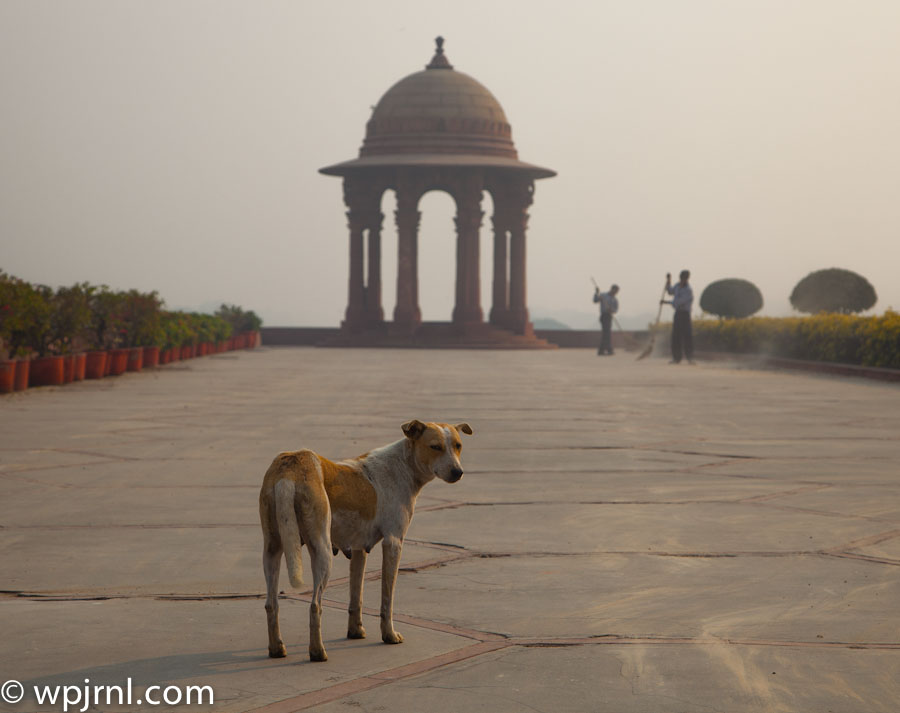
Pashupatinath Temple, Kathmandu Nepal
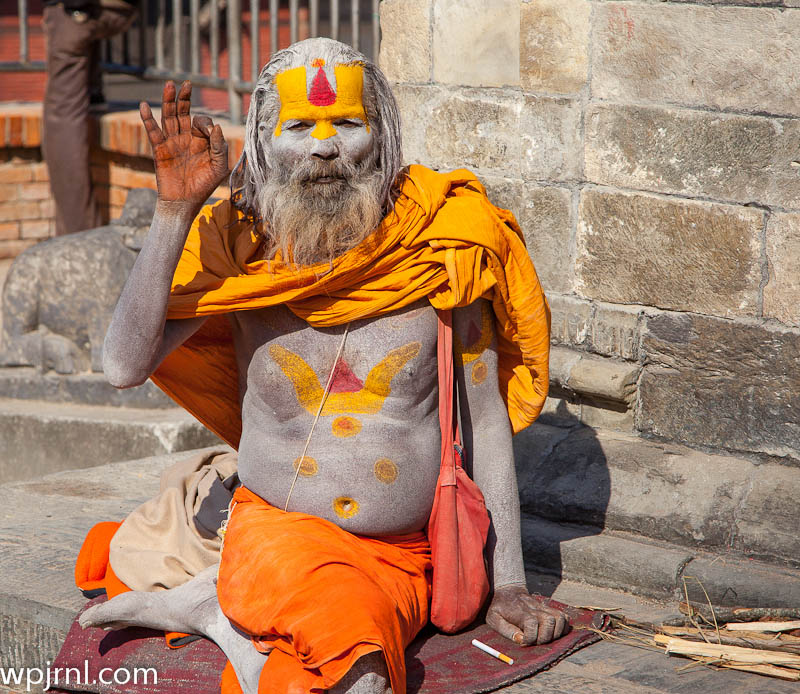
Pashupatinath Temple stands as one of the most important pilgrimage sites in Hinduism and a UNESCO World Heritage Site in the Kathmandu Valley. Dedicated to Lord Shiva, this ancient temple complex dates back centuries and attracts thousands of devotees and visitors annually. The temple’s spiritual significance is deeply intertwined with Nepali culture, where sadhus (holy men) practice their spiritual disciplines and share blessings with pilgrims.
The temple is renowned for its golden roof, intricate woodcarvings, and the presence of numerous sadhus who have renounced worldly life to pursue spiritual enlightenment. Along the banks of the sacred Bagmati River, cremation ceremonies take place, reflecting Hindu customs and the cycle of life and death. The atmosphere is charged with devotion, incense, and the spiritual energy of countless pilgrims seeking blessings.
This sacred site offers visitors a profound glimpse into Hindu traditions and Nepali spirituality, making it far more than just a tourist destination—it’s a living center of faith and practice.
Highlights
- Golden-roofed main temple with stunning traditional Nepali architecture and gilt copper details
- Sadhus (holy ascetics) offering blessings and spiritual guidance to visitors and devotees
- Sacred Bagmati River ghats where cremation ceremonies and ritual bathing occur
- Intricate carved wooden doors, windows, and temple gates showcasing centuries-old craftsmanship
- Multiple smaller temples and shrines within the complex dedicated to various Hindu deities
What to Do
- Observe and photograph the sadhus in their spiritual practice, with respectful permission and modest donations
- Walk through the temple complex to explore various shrines and courtyards
- Witness or respectfully observe cremation ceremonies at the riverside ghats
- Purchase flowers and incense to make offerings at the temple
- Explore the surrounding Pashupatinath area and nearby temples and monasteries
Best Time to Visit
October to November and February to March offer the clearest skies, mild temperatures, and excellent visibility. These months coincide with major festivals when the temple is especially vibrant with celebrations.
Getting There
Pashupatinath Temple is located approximately 5 kilometers east of Kathmandu’s city center. Visitors can reach it by taxi, private vehicle, or local bus. Most hotels in Kathmandu can arrange transportation or provide directions.
Visitor Tips
- Dress respectfully with covered shoulders and knees as a sign of respect in this sacred space
- Remove shoes before entering temple areas; designated shoe storage is available
- Ask permission before photographing sadhus or ceremonies; many appreciate respectful donations
- Visit early morning for the most peaceful atmosphere and clearest light for photography
- Be aware that cremation ceremonies are sacred rituals; observe from designated areas with utmost respect
Nearby
- Bharatpur Temple and other smaller shrines within the complex
- Arjun Nath Temple across the Bagmati River
- Changu Narayan Temple, another UNESCO site northeast of Kathmandu
- Kathmandu Durbar Square, a major cultural and historical hub in the city center
Pashupatinath Temple is more than a tourist attraction—it’s a sacred spiritual sanctuary that has inspired devotion for centuries. A visit here offers a transformative experience, connecting you with one of Hinduism’s most profound traditions and the living spiritual culture of Nepal. Whether you seek spiritual insight, cultural understanding, or simply to witness authentic devotion, Pashupatinath Temple welcomes all with open hearts.
Location Map
Pashupatinath Temple, Kathmandu Nepal Read More »