
The Andes Mountain Range, South America
The Andes Mountains represent one of Earth’s most spectacular natural wonders, spanning over 4,300 miles along the western edge of South America. This colossal range stretches through Venezuela, Colombia, Ecuador, Peru, Bolivia, Chile, and Argentina, creating a dramatic spine of towering peaks, deep valleys, and pristine wilderness. The Andes are not just geographically significant but also rich in biodiversity, indigenous culture, and geological intrigue, making them a destination for adventurers and nature lovers alike.
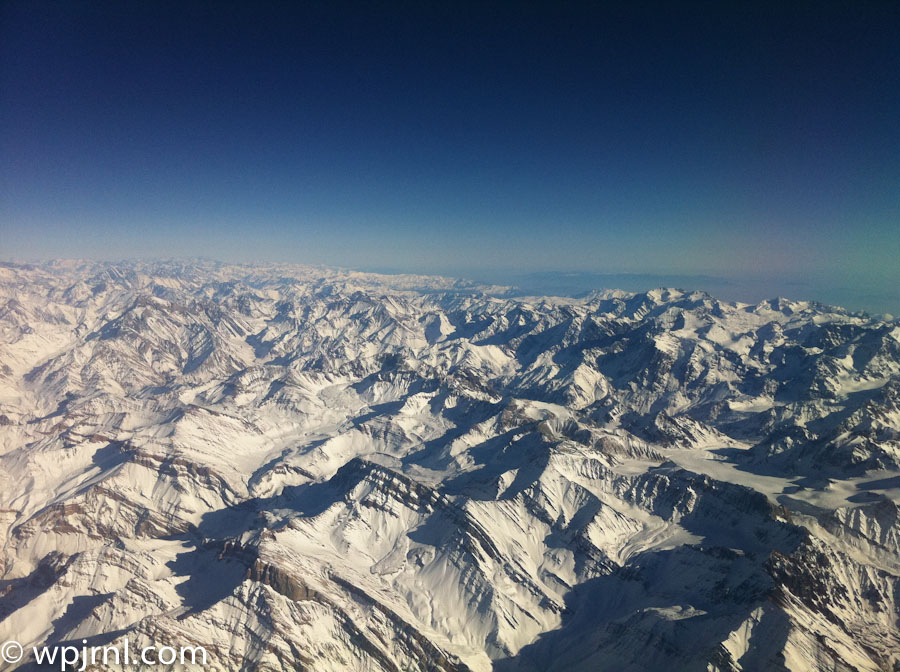
With summits exceeding 20,000 feet and clear azure skies that reveal the full majesty of the range, the Andes offer some of the most striking aerial views on the planet. The interplay of snow-covered peaks, deep shadows in the valleys, and the vast expanse of untouched terrain create a landscape that feels both ancient and timeless. From this vantage point, you can witness the raw power of tectonic forces that shaped these mountains millions of years ago.
Highlights
- Snow-capped peaks towering above 20,000 feet, including Mount Aconcagua (22,841 ft), the highest peak in the Americas
- Pristine high-altitude ecosystems supporting unique flora and fauna adapted to extreme conditions
- Clear skies offering unobstructed views of vast mountain terrain and deep glaciated valleys
- Cultural heritage sites and ancient civilizations, including Machu Picchu and Incan terraces
- Diverse terrain ranging from tropical cloud forests to arid plateaus and glaciated alpine zones
What to Do
- Trek world-renowned trails like the Inca Trail to Machu Picchu or the Salcantay Trek in Peru
- Mountaineering and climbing on challenging peaks for experienced adventurers
- Explore high-altitude towns and experience indigenous Andean cultures in Peru, Bolivia, and Ecuador
- Wildlife spotting including llamas, alpacas, condors, and vicuñas in their natural habitat
- Visit Lake Titicaca, the world’s highest navigable lake, shared between Peru and Bolivia
Best Time to Visit
May to September (Southern Hemisphere winter) offers the clearest skies, lowest precipitation, and best trekking conditions, as shown in this photo. This dry season provides excellent visibility for both ground exploration and aerial views.
Getting There
Access the Andes through major hubs: Cusco, Peru (gateway to Machu Picchu), La Paz, Bolivia (starting point for Lake Titicaca), or Santiago, Chile. International flights connect to Lima, Bogotá, and Quito. Internal flights and buses provide regional connections.
Visitor Tips
- Acclimatize gradually to high altitude (many areas exceed 10,000 feet) to avoid altitude sickness
- Pack layers and sunscreen—UV exposure is intense at high elevations despite cool temperatures
- Book popular treks (Inca Trail, Salcantay) weeks in advance during peak season
- Respect indigenous communities and their traditions while visiting sacred sites
- Travel during dry season for clearest skies and safest trekking conditions
Nearby
- Machu Picchu, Peru—iconic Incan citadel and UNESCO World Heritage Site
- Lake Titicaca, Peru/Bolivia—world’s highest navigable freshwater lake
- Atacama Desert, Chile—stark desert landscape adjacent to the southern Andes
- Galápagos Islands, Ecuador—unique wildlife sanctuary in the Pacific
The Andes Mountains stand as a testament to the raw power and beauty of nature. Whether you’re trekking ancient Incan trails, witnessing snow-capped peaks from above, or connecting with the vibrant cultures that call these mountains home, the Andes offer an unforgettable journey into one of the world’s most magnificent landscapes. Plan your adventure today and experience the majesty of this world-renowned mountain range.
Location Map
The Andes Mountain Range, South America Read More »