A stunning tropical paradise featuring crystal-clear turquoise waters, pristine white-sand beaches, and dramatic limestone cliffs that define Southeast Asian island beauty.
The Phi Phi Islands are among Thailand’s most iconic and breathtaking destinations, located off the coast of Krabi in the Andaman Sea. This archipelago is renowned for its spectacular natural beauty, featuring dramatic limestone formations rising from turquoise waters, powdery white beaches, and vibrant coral reefs teeming with marine life. The islands offer an perfect blend of relaxation and adventure, attracting travelers seeking both serene beach time and active water sports experiences.
With their tropical climate, lush vegetation, and warm crystalline waters, the Phi Phi Islands provide an idyllic escape from everyday life. The calm lagoons and sheltered bays are ideal for swimming and snorkeling, while the surrounding landscape offers excellent opportunities for hiking and photography. Whether you’re seeking solitude on quiet beaches or prefer the energy of beach clubs and water activities, these islands cater to all preferences.
The islands have gained international fame through popular media and continue to enchant visitors with their postcard-perfect scenery and laid-back island atmosphere.
Highlights
Crystal-clear turquoise waters perfect for swimming, snorkeling and diving among vibrant coral reefs
Dramatic limestone cliffs and rock formations creating stunning natural backdrops
Maya Beach, one of Thailand’s most famous and photogenic beaches
Excellent snorkeling and scuba diving opportunities with diverse marine biodiversity
Vibrant beach bars and restaurants offering fresh seafood and tropical cuisine
What to Do
Snorkel or dive in the coral gardens to spot tropical fish, rays, and sea turtles
Hike to viewpoints for panoramic vistas of the islands and Andaman Sea
Take longtail boat tours to explore hidden coves and nearby islands
Relax on pristine beaches and enjoy sunset views over the water
Visit the vibrant beach clubs and restaurants for dining and water sports
Best Time to Visit
November to April offers the best weather with clear skies, calm seas, and comfortable temperatures. This dry season is ideal for water activities and beach time. May to October is the monsoon season with occasional rain and rougher seas.
Getting There
The Phi Phi Islands are accessible by speedboat or ferry from Phuket Town (45 minutes to 1.5 hours) or Krabi Town (40 minutes to 2 hours). Regular boat services operate daily, with multiple departure times throughout the day.
Visitor Tips
Arrive early to popular beaches to secure prime spots and avoid crowds
Bring reef-safe sunscreen to protect both your skin and marine ecosystems
Book accommodations in advance during peak season (December-February) as rooms fill quickly
Pack cash as not all beach vendors and smaller establishments accept cards
Be respectful of marine life and coral reefs by maintaining distance while snorkeling
Nearby
Phuket Island – Thailand’s largest island with beaches, nightlife and water sports
James Bond Island – famous limestone karst featured in ‘The Man with the Golden Gun’
Bamboo Island – pristine beaches and excellent snorkeling opportunities
Krabi Town – mainland gateway with traditional markets and local culture
The Phi Phi Islands represent the quintessential tropical island experience, where pristine natural beauty meets accessible adventure. Whether you’re seeking a romantic getaway, a family vacation, or a solo travel adventure, these enchanting islands deliver unforgettable memories of crystal-clear waters, dramatic landscapes, and island magic. Plan your journey to this Thai paradise and discover why the Phi Phi Islands continue to captivate travelers from around the world.
A serene beachfront escape where charitable giving meets paradise views.
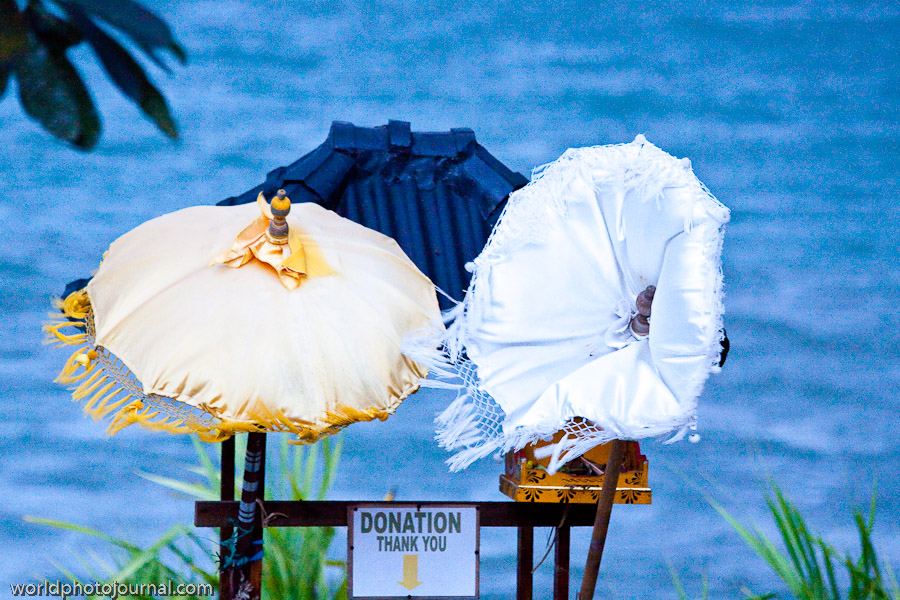
This picturesque tropical beach destination captures the essence of Southeast Asian coastal hospitality, where turquoise waters meet white sandy shores and lush greenery. The iconic donation station with its elegant white and cream parasols serves as a charming focal point, inviting visitors to contribute to local communities while enjoying breathtaking ocean vistas. The juxtaposition of the traditional thatched-roof structure in the background and modern charitable infrastructure reflects the region’s blend of heritage and contemporary values.
Highlights
Crystal-clear turquoise waters perfect for swimming and water activities
Charitable donation station with traditional Southeast Asian architecture
Pristine white sandy beach lined with coconut palms and tropical vegetation
Stunning backdrop of traditional blue-roofed structures reflecting local culture
What to Do
Swim and snorkel in the transparent tropical waters
Support local communities through the donation station
Photograph the scenic parasol installations and ocean views
Relax on the white sand beach surrounded by tropical flora
Explore traditional local structures and cultural elements
Best Time to Visit
Dry season (November to April) offers calm seas, clear skies, and optimal beach conditions for swimming and water activities.
Getting There
Accessible via regional flights to major Southeast Asian hubs, followed by local transportation such as taxis, boats, or resort transfers.
Visitor Tips
Bring reef-safe sunscreen to protect the marine environment
Consider contributing to the donation station to support local initiatives
Visit early morning for the best lighting and fewer crowds
Wear water shoes for protection on sandy beaches
Check local weather and tide schedules before planning beach activities
Nearby
Traditional fishing villages with authentic local culture
Nearby coral reef systems ideal for snorkeling
Local markets selling traditional crafts and souvenirs
This serene tropical beach destination offers more than just stunning natural beauty—it provides an opportunity to make a meaningful impact on local communities while creating unforgettable memories in paradise. Whether you’re seeking relaxation, adventure, or cultural connection, this charming coastal haven welcomes you with open arms and crystal-clear waters.
One of China’s most important Tibetan Buddhist temples, where ancient rituals and vibrant ceremonies come alive.
Yong He Gong, also known as the Lama Temple, is a stunning Buddhist temple complex located in northeast Beijing and one of the most significant Tibetan Buddhist monasteries outside Tibet. Built in 1694 as the residence of Emperor Yongzheng before his ascension to the throne, it was later converted into a temple and remains a sacred spiritual center. The temple captivates visitors with its ornate architecture, peaceful courtyards, and most notably, its active religious ceremonies and rituals that reflect deep Buddhist traditions and cultural heritage.
The temple complex showcases traditional Chinese architecture combined with Tibetan Buddhist influences, featuring multiple halls, meditation chambers, and courtyards adorned with intricate artwork and sacred statuary. What makes Yong He Gong particularly special is that it remains a functioning monastery where monks practice their daily rituals and devotions, offering visitors an authentic glimpse into living Buddhist traditions.
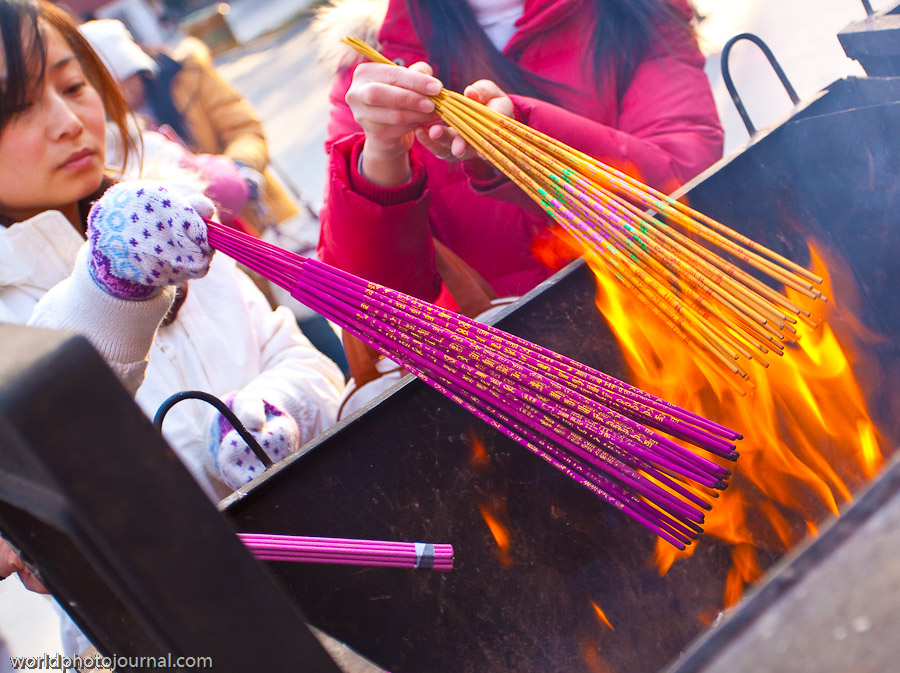
The sight of colorful incense sticks being burned during ceremonies—as captured in this photo—represents the spiritual devotion and prayer practices that have occurred here for centuries, creating an atmosphere of profound reverence and cultural significance.
Highlights
Watch traditional Buddhist rituals and ceremonies, including incense burning and prayer practices performed by resident monks
Explore the Hall of the Sandalwood Buddha, housing an enormous carved sandalwood Buddha statue—the world’s largest of its kind
Admire intricate Tibetan Buddhist artwork, thangka paintings, and sacred sculptures throughout the temple complex
Experience the peaceful meditation halls and courtyards filled with prayer wheels and devotional offerings
Participate in or observe authentic religious ceremonies during festivals and special occasions
What to Do
Attend a morning or evening prayer ceremony to witness monks chanting and performing rituals
Light incense and make offerings at various halls as part of the temple’s spiritual practices
Walk through each of the five main halls, learning about different aspects of Tibetan Buddhism
Spin the giant prayer wheels and explore the meditation chambers
Visit during Chinese New Year or other Buddhist festivals for more elaborate ceremonies and celebrations
Purchase religious artwork or prayer beads from temple shops as meaningful souvenirs
Best Time to Visit
Spring (April-May) and autumn (September-October) offer pleasant weather and fewer crowds. Visit during Buddhist festivals like Losar (Tibetan New Year) or the Buddha’s Birthday for especially vibrant ceremonies and celebrations.
Getting There
Located in the Dongcheng District of Beijing, Yong He Gong is easily accessible by subway (Line 2, Yonghegong Station), taxi, or public bus. It’s roughly 4 kilometers northeast of the Forbidden City.
Visitor Tips
Dress respectfully—cover shoulders and knees out of respect for the sacred space and monks
Remove shoes when entering certain halls or ask permission before photographing monks during ceremonies
Arrive early in the morning to experience quieter moments and potentially witness dawn prayers
Hire a guide or download information beforehand to understand the spiritual significance of each hall
Be respectful of active worship; maintain quiet behavior and follow temple etiquette guidelines
Nearby
Confucius Temple and Imperial Academy, just steps away, offering insights into Confucian traditions
Forbidden City, approximately 3km away, the former imperial palace complex
National Museum of China in Tiananmen Square
Temple of Heaven, another major Beijing temple complex with historical significance
Yong He Gong Lama Temple offers a rare opportunity to step beyond typical tourist attractions and experience authentic Buddhist spirituality in action. Whether you’re drawn by architectural beauty, spiritual curiosity, or cultural exploration, the temple’s serene atmosphere and living religious traditions create a transformative visit. Come witness the graceful rituals, breathe in the fragrant incense smoke, and connect with centuries of devotion in one of Beijing’s most sacred spaces.
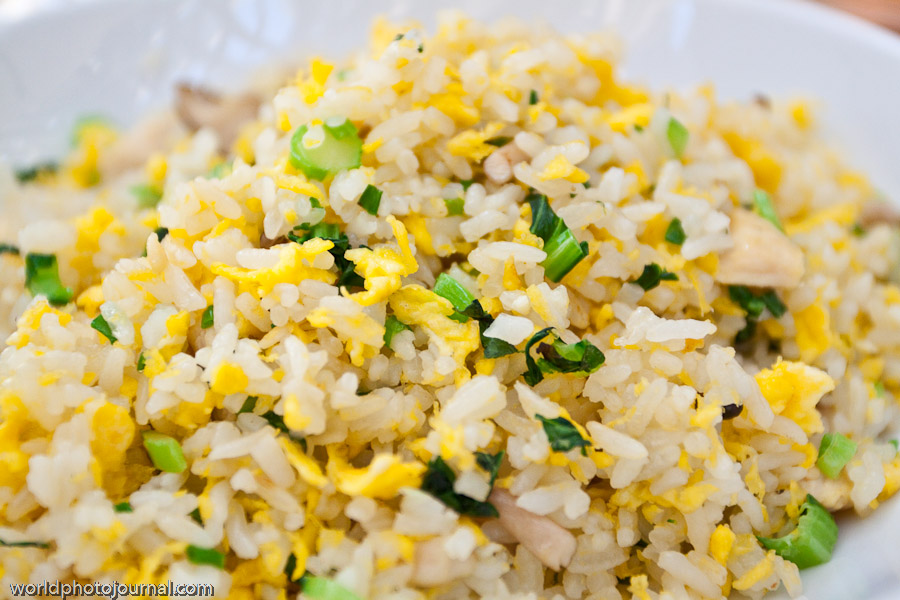
Heat 1 tablespoon oil in a wok or large skillet over high heat.
Pour in beaten eggs and scramble until cooked through. Remove and set aside.
Add remaining oil, then stir-fry garlic for 30 seconds until fragrant.
Add chilled rice, breaking up clumps, and stir-fry for 3-4 minutes.
Add corn kernels and stir-fry for 2 minutes until heated through.
Return eggs to the wok, add soy sauce and sesame oil.
Toss in most of the green onions and season with salt and pepper.
Serve immediately, garnished with remaining green onions.
Tips & Notes
Use day-old rice for the best texture—fresh rice tends to clump
Keep all ingredients prepped before you start cooking, as the cooking goes quickly
High heat is key to achieving the characteristic slightly crispy texture
Don’t overmix; gently fold ingredients together to keep rice grains separate
Nutrition Notes
Balanced breakfast with protein from eggs, carbohydrates from rice, and vitamins from corn and green onions. Approximately 280-320 calories per serving.
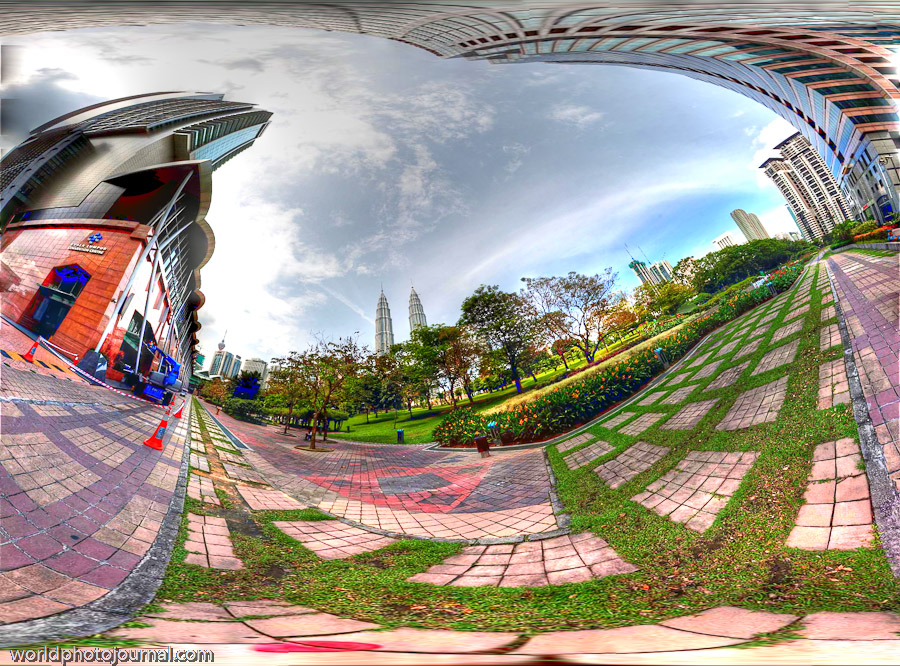
A stunning urban oasis featuring the iconic Petronas Twin Towers and lush gardens in Malaysia’s vibrant capital city.
KLCC Park is Kuala Lumpur’s most iconic destination, offering breathtaking panoramic views of the city’s gleaming skyline dominated by the world-famous Petronas Twin Towers. This 20-hectare park beautifully blends modern architecture with natural landscaping, creating a serene escape in the heart of the bustling metropolis. The park’s meticulously maintained grounds, verdant gardens, and architectural landmarks make it a must-visit destination for travelers seeking to experience the perfect fusion of nature and urban development.
Taken from the Traders Hotel, this panoramic perspective captures the essence of modern Kuala Lumpur, showcasing the dramatic interplay between contemporary skyscrapers, manicured gardens, and the sprawling cityscape. The wide-angle view reveals the park’s sophisticated paving patterns, vibrant landscaping, and the towering presence of the Petronas Towers in the distance, creating an unforgettable visual experience.
Whether you’re a photography enthusiast, architecture lover, or nature admirer, KLCC Park offers countless opportunities to witness one of Asia’s most impressive urban landscapes while enjoying peaceful moments surrounded by carefully curated greenery.
Highlights
Petronas Twin Towers – iconic 452-meter twin skyscrapers with an elevated skybridge offering panoramic city views
KLCC Park – 20-hectare beautifully landscaped garden with jogging paths, water features, and open spaces
Aquaria KLCC – Southeast Asia’s largest aquarium located within the complex
Petronas Twin Towers Skybridge – walk 170 meters above ground between the two towers for breathtaking vistas
Suria KLCC Shopping Mall – world-class shopping and dining destinations
What to Do
Visit the Skybridge observation deck for 360-degree views of Kuala Lumpur’s skyline and surrounding regions
Stroll through KLCC Park’s scenic pathways, enjoying the landscaped gardens and water features
Explore Aquaria KLCC’s diverse marine life exhibits and interactive displays
Shop and dine at Suria KLCC’s premium retail and restaurant outlets
Capture stunning photographs during golden hour from various vantage points throughout the park and complex
Best Time to Visit
December to February offers the most comfortable weather with lower humidity and temperatures around 22-32°C. The park’s landscaping is especially vibrant during the dry season, and the clearer skies provide excellent visibility for panoramic photography.
Getting There
The KLCC complex is easily accessible via the Kuala Lumpur Metro (LRT and MRT) with stations directly at KLCC. Taxis, ride-sharing services, and organized tours are readily available. The Traders Hotel is conveniently located at the site, offering direct access to the park and towers.
Visitor Tips
Book Petronas Twin Towers Skybridge tickets online in advance to avoid queues, especially during peak hours
Visit early morning or late afternoon for the best photography lighting and fewer crowds
Wear comfortable walking shoes as exploring the park requires substantial walking
Bring camera equipment with wide-angle lenses to capture the expansive panoramic vistas
Stay hydrated and use sunscreen due to Malaysia’s tropical climate
Nearby
Menara KL – alternative observation tower offering 360-degree city views
Merdeka Square – historic landmark and Malaysia’s oldest urban park
Bukit Nanas Forest Reserve – pristine rainforest within the city
KLCC Park and the Petronas Twin Towers represent the pinnacle of modern Kuala Lumpur, showcasing the city’s remarkable transformation into a global metropolis. This iconic destination seamlessly blends architectural grandeur with natural beauty, offering visitors an unforgettable experience. Whether you’re ascending the Skybridge for breathtaking aerial perspectives, leisurely strolling through manicured gardens, or capturing stunning panoramic photographs, KLCC Park promises memories that will last a lifetime. Plan your visit today and discover why this remarkable destination captivates millions of travelers from around the world each year.