February 2010

Haddoni Blue Carpet Anemone Habitat, Coral Reef Ecosystem
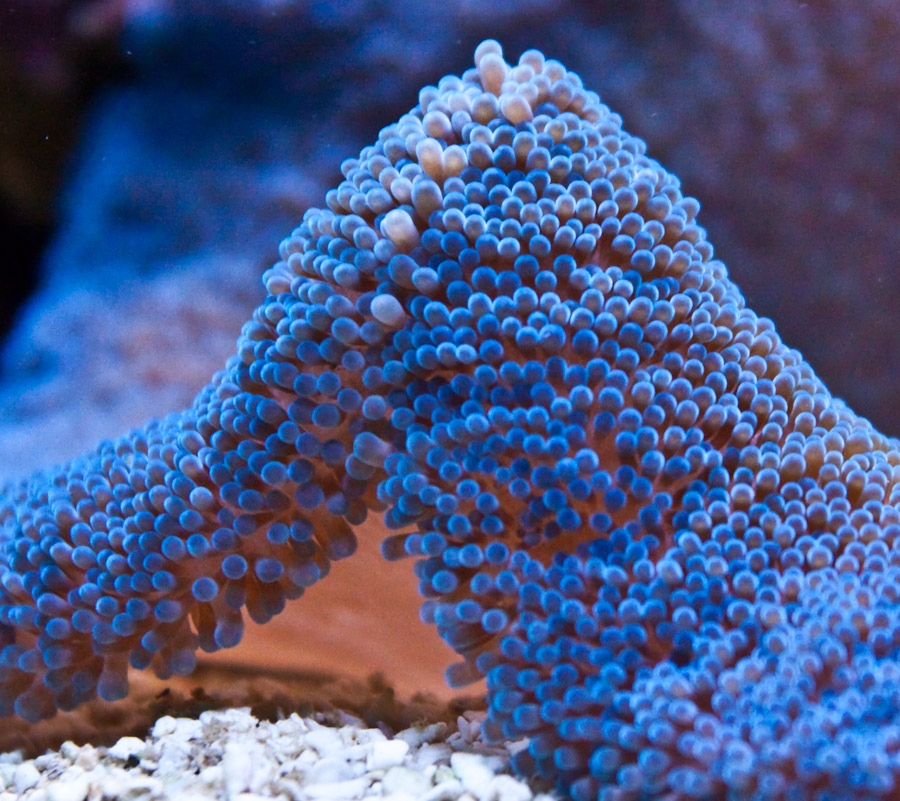
Haddoni Blue Carpet Anemone Habitat, Coral Reef Ecosystem
Witness the mesmerizing electric-blue tentacles of one of the ocean’s most vibrant symbiotic creatures in their natural reef habitat.

The Haddoni blue carpet anemone is one of the most spectacular marine organisms found in tropical coral reef ecosystems throughout the Indo-Pacific region. This large sea anemone is renowned for its brilliant blue coloration and densely packed tentacles that create a carpet-like appearance across the reef floor. These fascinating creatures thrive in shallow to moderate depths where sunlight penetrates, creating an otherworldly underwater landscape that captivates divers and marine enthusiasts from around the world.

Highlights

  • Stunning electric-blue tentacles arranged in dense, symmetrical patterns
  • Symbiotic relationship with clownfish and other marine species
  • Found in pristine coral reef ecosystems of the Indo-Pacific
  • Best observed during daytime when tentacles are fully extended

What to Do

  • Scuba dive or snorkel to observe anemones in their natural habitat
  • Photograph the vibrant blue coloration and intricate tentacle patterns
  • Observe symbiotic relationships between anemones and resident fish
  • Visit aquarium exhibits featuring captive-bred specimens

Best Time to Visit

Year-round in tropical regions; best during dry seasons (November-April in most Indo-Pacific locations) when water clarity is optimal

Getting There

Access via dive operators and snorkel tours departing from major reef destinations in Indonesia, Philippines, Great Barrier Reef, and other Indo-Pacific coral reef regions

Visitor Tips

  • Never touch or disturb anemones; observe from a safe distance
  • Use underwater photography to capture details without causing stress
  • Visit during morning hours for best lighting and anemone activity
  • Book with certified reef guides who understand marine conservation

Nearby

  • Coral gardens and reef formations
  • Other anemone species and marine life
  • Reef dive sites and snorkel areas

The Haddoni blue carpet anemone represents the extraordinary beauty and complexity of coral reef ecosystems. Witnessing these magnificent creatures in their natural habitat is an unforgettable experience that inspires conservation efforts and deepens our connection to the ocean’s wonders.

Location Map

Haddoni Blue Carpet Anemone Habitat, Coral Reef Ecosystem Read More »
Coastal Sea Cliffs Landscape, Northern Europe

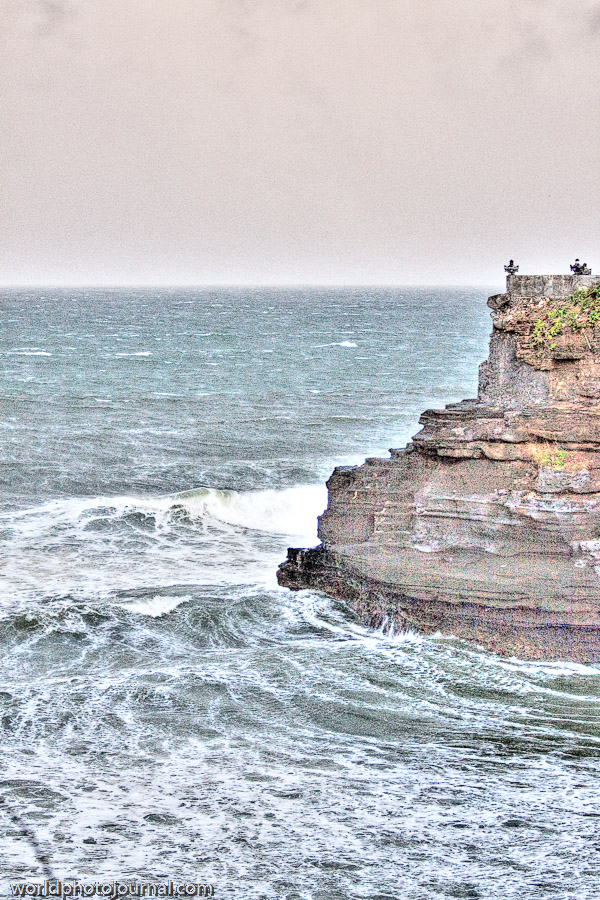
Coastal Sea Cliffs Landscape, Northern Europe
Dramatic rocky cliffs meet turbulent ocean waves in this breathtaking coastal landscape.

This striking coastal scene captures the raw power and beauty of nature where imposing stone cliffs rise majestically from the churning sea. The rugged rock formations, layered with geological history, stand as natural sentinels against the relentless Atlantic waves. The moody sky and textured waters create an atmosphere of wild, untamed beauty that draws photographers and nature lovers from around the world. This is a place where earth and ocean engage in an eternal dance, creating one of nature’s most compelling spectacles.

Highlights

  • Towering stratified rock cliffs with dramatic geological formations
  • Powerful Atlantic waves crashing against ancient stone
  • Moody coastal atmosphere perfect for dramatic photography
  • Rugged natural landscape with minimal human intervention
  • Seabirds nesting on cliff tops, visible at the summit

What to Do

  • Photograph the dramatic cliff formations and crashing waves from various vantage points
  • Walk coastal paths that offer panoramic ocean and cliff views
  • Observe seabirds and marine wildlife in their natural habitat
  • Experience the raw power of nature and atmospheric coastal weather
  • Sketch or paint the landscape to capture its moody character

Best Time to Visit

Late spring through early autumn offers the most stable weather, though autumn and winter provide the most dramatic storm conditions and moody skies for photography.

Getting There

Access via coastal roads or hiking trails that lead to cliff viewpoints. Check local conditions and safety warnings before visiting, as coastal weather can be unpredictable and dangerous.

Visitor Tips

  • Wear waterproof and windproof clothing, as coastal weather changes rapidly
  • Stay behind safety barriers and marked paths to avoid cliff edge dangers
  • Bring a good camera or binoculars to capture details and observe wildlife
  • Check tide times before exploring lower cliff areas
  • Visit during daylight hours for safety and optimal lighting for photography

Nearby

  • Additional coastal viewing points along the cliff line
  • Nearby beach coves sheltered by cliff formations
  • Local villages with accommodations and dining facilities
  • Coastal nature reserves with hiking trails

These magnificent sea cliffs represent the timeless beauty of our natural world—a place where you can stand humbled before the forces that have shaped our planet for millennia. Whether you seek dramatic photography, peaceful contemplation, or adventure in wild landscapes, these coastal cliffs deliver an unforgettable experience that reconnects you with the raw power and majesty of nature.

Location Map

Coastal Sea Cliffs Landscape, Northern Europe Read More »

Tidal Mudflats and Rock Pools, Coastal Destination

Tidal Mudflats and Rock Pools, Coastal Destination
A natural playground where children discover marine life in shallow pools and muddy shores.

These enchanting tidal mudflats and rock pools represent one of nature’s most accessible outdoor classrooms. Exposed at low tide, the terrain reveals a miniature ecosystem teeming with small creatures, algae, and geological wonders. Perfect for families and nature enthusiasts, these coastal areas invite exploration and discovery without requiring specialized equipment or extensive travel.

Highlights

  • Shallow rock pools filled with starfish, crabs, and anemones
  • Rich algae-covered surfaces supporting diverse marine ecosystems
  • Exposed mudflats revealing natural geological formations
  • Safe, accessible terrain ideal for children’s exploration and learning

What to Do

  • Search for hidden creatures in rock pools and tidal pools
  • Observe and photograph algae, seaweed, and marine plant life
  • Collect shells and study natural beach formations
  • Learn about tidal cycles and coastal ecosystems
  • Enjoy family nature walks and outdoor exploration

Best Time to Visit

During low tide on calm, clear days when pools are fully exposed and water is relatively warm; typically spring through early autumn

Getting There

Accessible by foot from nearby coastal communities; check tide tables before planning your visit

Visitor Tips

  • Always check tide times before visiting to ensure safe access and maximum pool exposure
  • Wear waterproof shoes or sandals for muddy terrain and shallow water
  • Bring a small net or bucket for gentle observation of marine creatures
  • Respect marine life by handling creatures gently and returning them to pools
  • Bring sun protection and fresh water for extended exploration

Nearby

  • Coastal villages with local restaurants and accommodations
  • Sandy beaches for swimming during high tide
  • Hiking trails along cliff paths with ocean views

Whether you’re a curious child discovering your first sea creature or an adult reconnecting with nature’s wonders, tidal mudflats and rock pools offer authentic coastal experiences that inspire lifelong appreciation for marine environments. Come explore these dynamic natural spaces where every visit reveals something new.

Location Map

Tidal Mudflats and Rock Pools, Coastal Destination Read More »

Moss-Covered Forest Floor, Nature’s Macro Landscape

Moss-Covered Forest Floor, Nature's Macro Landscape
A intimate glimpse into the delicate, living world beneath our feet where decay and renewal dance together.

This ethereal macro photograph captures the quiet beauty of a forest floor where life persists in its smallest, most humble forms. The lonely leaf, curled and aging, rests upon a vibrant carpet of emerald moss—a poignant reminder of nature’s cycles of growth, death, and regeneration. In this miniature world, every detail tells a story of interconnectedness, where fallen leaves nourish the moss below, and moss provides shelter for countless invisible creatures. It’s a world often overlooked by hurried travelers, yet it holds profound lessons about patience, transformation, and the relentless vitality of nature.

Highlights

  • Vibrant moss ecosystems thriving on forest floors
  • Intimate macro perspective revealing nature’s intricate details
  • The poetic cycle of leaf decay and forest renewal
  • Habitat for countless microorganisms and small creatures

What to Do

  • Explore temperate forests on foot with a macro lens or magnifying glass
  • Photograph moss-covered areas during misty mornings for atmospheric shots
  • Study decomposition and nutrient cycling in natural settings
  • Practice forest bathing and mindful observation of small-scale ecosystems

Best Time to Visit

Autumn and spring when fallen leaves are abundant and moisture levels support lush moss growth

Getting There

Accessible via hiking trails in temperate forests worldwide; seek damp, shaded woodland areas

Visitor Tips

  • Move slowly and observe carefully—the forest floor rewards patient observation
  • Bring macro photography equipment or magnifying glass to capture details
  • Visit after rain when moss is vibrant and moisture is high
  • Wear appropriate footwear and move gently to avoid damaging delicate ecosystems

Nearby

  • Ancient woodland trails
  • Waterfall-fed forest streams
  • Old-growth forest canopies

The lonely leaf teaches us that every moment, every small corner of nature deserves our attention and reverence. When you venture into the forest, slow down, kneel close to the earth, and witness the extraordinary beauty hidden in plain sight. This is where nature’s true artistry lies—not in grand vistas, but in the intimate, patient work of renewal happening all around us.

Location Map

Moss-Covered Forest Floor, Nature’s Macro Landscape Read More »

Petronas Twin Towers, Kuala Lumpur Malaysia

Petronas Twin Towers, Kuala Lumpur Malaysia
Iconic twin skyscrapers that define Kuala Lumpur’s skyline with breathtaking illuminated architecture against the night sky.

The Petronas Twin Towers stand as Malaysia’s most recognizable landmark and one of the world’s tallest buildings, dominating the Kuala Lumpur skyline with their distinctive twin spires. Completed in 1998, these 452-meter towers represent a masterpiece of modern architecture, designed by Argentine architect César Pelli and featuring a sleek postmodern aesthetic. The towers are particularly stunning when illuminated at night, creating a magical backdrop for the surrounding Klang Valley cityscape. Connected by the famous Skybridge on the 41st and 42nd floors, these monuments to progress have become an essential symbol of Malaysia’s rapid modernization and economic ambitions.

Highlights

  • Ascend to the 86th floor observation deck for panoramic 360-degree views of Kuala Lumpur and beyond
  • Walk across the iconic 41st-42nd floor Skybridge connecting both towers for a unique perspective
  • Witness the stunning night illumination that transforms the towers into a glowing architectural marvel
  • Explore the modern shopping and dining complex at the tower base in the Suria KLCC mall
  • Visit the surrounding Kuala Lumpur City Centre complex featuring parks, museums, and cultural attractions

What to Do

  • Experience the observation deck at dusk to see the transition from day to night with the city lights coming alive
  • Photograph the towers from multiple vantage points around the city, especially from nearby parks
  • Visit the Aquaria KLCC aquarium located directly below the towers
  • Enjoy world-class dining and shopping in the surrounding mall complex
  • Attend events and exhibitions frequently held at the base plaza

Best Time to Visit

November to February offers cooler temperatures and clearer skies. Visit in the early evening to catch the sunset followed by the spectacular nighttime illumination.

Getting There

The towers are easily accessible via the Kuala Lumpur City Centre LRT station. Taxis, ride-sharing services, and rental cars provide alternative options. The site is approximately 15-20 minutes from Kuala Lumpur International Airport.

Visitor Tips

  • Book observation deck tickets online in advance to skip queues, especially during peak tourist seasons
  • Arrive early evening to enjoy both daylight views and the night cityscape from the observation deck
  • Wear comfortable walking shoes as exploring the surrounding KLCC area involves considerable walking
  • Check weather forecasts before visiting; clear nights provide the best photographic opportunities
  • Visit on weekdays if possible to avoid large weekend crowds

Nearby

  • Kuala Lumpur City Centre Park with scenic walking paths and water features
  • Aquaria KLCC, an impressive aquarium with interactive exhibits
  • National Museum and Petronas Museum of Islamic Art
  • Suria KLCC shopping mall for retail and dining experiences
  • Menara Kuala Lumpur communications tower with its own observation deck

The Petronas Twin Towers represent more than just architectural achievement—they embody Malaysia’s aspirations and modern identity. Whether you’re gazing up at their gleaming spires during daylight or marveling at their enchanting nighttime glow, these towers offer an unforgettable experience that captures the pulse of contemporary Southeast Asia. Plan your visit to witness one of the world’s most iconic skyline landmarks and create memories that will last a lifetime.

Location Map

Petronas Twin Towers, Kuala Lumpur Malaysia Read More »

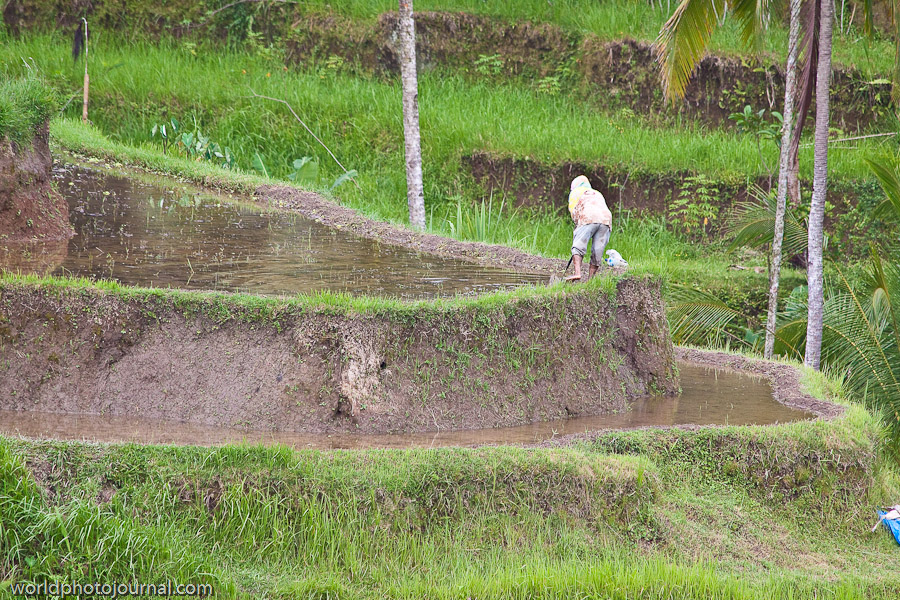
Rice Fields near Ubud, Bali Indonesia

Rice Fields near Ubud, Bali Indonesia
Terraced emerald paddies where traditional farming meets tropical paradise in the heart of Bali.

The rice fields near Ubud represent the soul of Balinese agriculture and culture, with cascading terraces of brilliant green that blanket the landscape. These iconic paddies have been cultivated for centuries using traditional methods, creating a harmonious relationship between the Balinese people and their land. Visitors are captivated by the serene beauty of these working agricultural areas, where farmers can be seen tending their crops in synchronized rhythms that have remained largely unchanged for generations.

Highlights

  • Terraced rice paddies with stunning layered vistas perfect for photography
  • Opportunity to observe traditional Balinese farming practices in action
  • Lush green landscapes that shift through seasons of growth and harvest
  • Peaceful rural atmosphere providing escape from bustling tourist areas

What to Do

  • Walk through the rice terraces on established paths to experience the landscape up close
  • Photograph the stunning layered paddies during morning golden hour
  • Visit during planting season to see farmers in traditional dress at work
  • Stop at local warungs (small restaurants) for authentic Balinese meals with paddy views
  • Engage respectfully with local farmers to learn about sustainable rice cultivation

Best Time to Visit

April to June during the dry season, when the paddies are lush and green, and the weather is ideal for trekking and photography.

Getting There

Ubud is accessible by rental car, scooter, or organized tours from Denpasar airport (approximately 1 hour drive). The rice fields are located in villages surrounding Ubud, with most areas within 15-30 minutes of central Ubud.

Visitor Tips

  • Wear sturdy, closed-toe hiking shoes as paths can be muddy and slippery
  • Bring sun protection and water; there is limited shade in open paddy areas
  • Respect farming activities and stay on designated paths to avoid damaging crops
  • Visit early morning for the best light and to avoid crowds
  • Ask permission before photographing local farmers

Nearby

  • Tegallalang Rice Terraces, iconic paddies with restaurants overlooking the valley
  • Ubud Monkey Forest, sacred sanctuary with ancient temples and wildlife
  • Ubud Art Market, cultural hub featuring local crafts and traditional goods
  • Goa Gajah Temple, ancient Hindu temple carved into rock faces

The rice fields near Ubud offer more than just a beautiful backdrop—they provide a window into the authentic agricultural heritage and spiritual connection that define Balinese life. Walking through these emerald terraces, you’ll understand why so many travelers consider Ubud the true heart of Bali, where tradition, nature, and culture flow together as harmoniously as water through the paddies.

Location Map

Rice Fields near Ubud, Bali Indonesia Read More »

Scroll to Top